
How to choose flooring for your home
Start with how you live, then compare product options in the rooms where they need to work.
Most people start choosing flooring from a colour they liked at a friend's house, then try to make everything fit around it. A better approach is to start with how you actually live, then narrow your options room by room until the right product almost picks itself. The floor you walk on every day has to handle real traffic, spills and cleaning routines, not just look good in a photo.
You do not need to be an expert in timber species or wear ratings to choose well. You need to understand the trade-offs between the main product types, be realistic about your household and budget, and see your shortlist in the rooms where it has to perform. This guide walks through that process the way we help homeowners every week through our mobile flooring showroom.
Step 1: Start with how you live, room by room
Before you look at a single sample, think about your household and how hard the floors will work. A quiet two-person apartment has very different needs to a busy family home with kids, dogs and constant traffic through the kitchen. Pets bring scratching and accidents, children bring spills, and hallways take a beating bedrooms never see. Be honest about your real lifestyle, not an idealised one, because this is the foundation of every decision that follows.
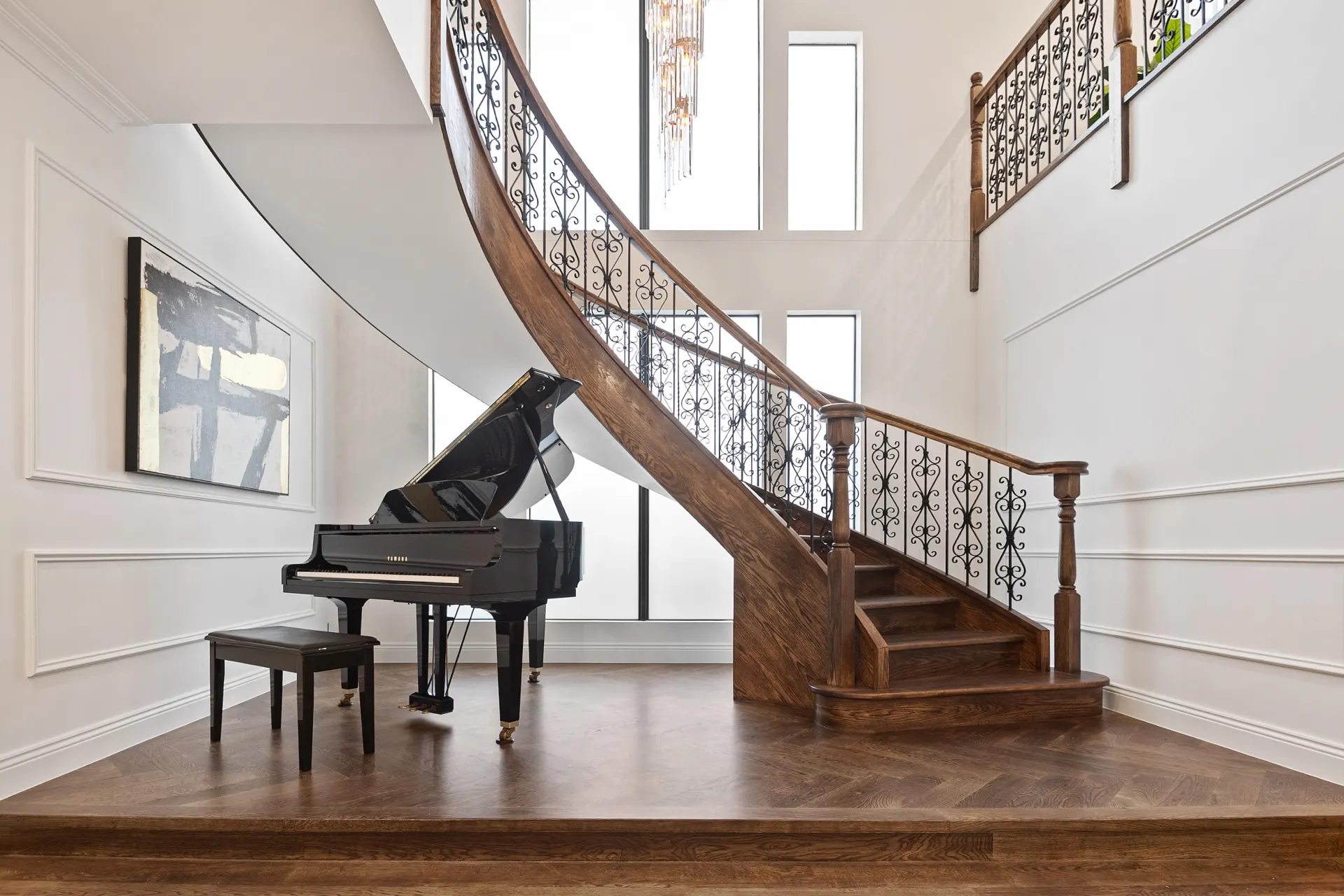
Then map your home room by room, because different spaces ask different things of a floor. Kitchens, laundries and entries need genuine water resistance and easy cleaning. Bedrooms can prioritise comfort and warmth, which is where carpet still earns its place. Open-plan living is usually the showpiece, balancing durability with the look you want noticed. Many Melbourne homes run one hard floor through living, kitchen and hallway for a seamless feel, then switch to carpet in bedrooms. If kitchens are your main concern, our guide on the best flooring for kitchens goes deeper on water and wear.

Step 2: Compare the main product types
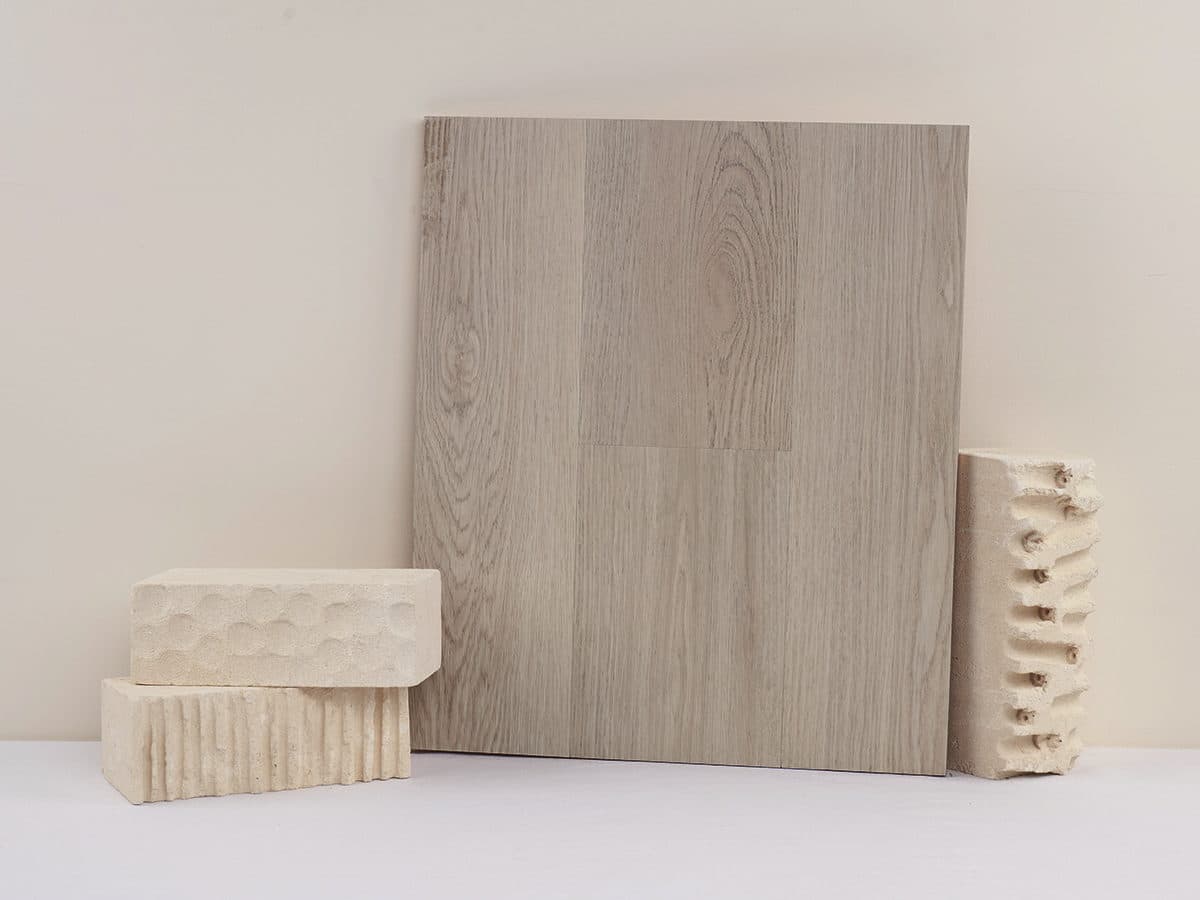
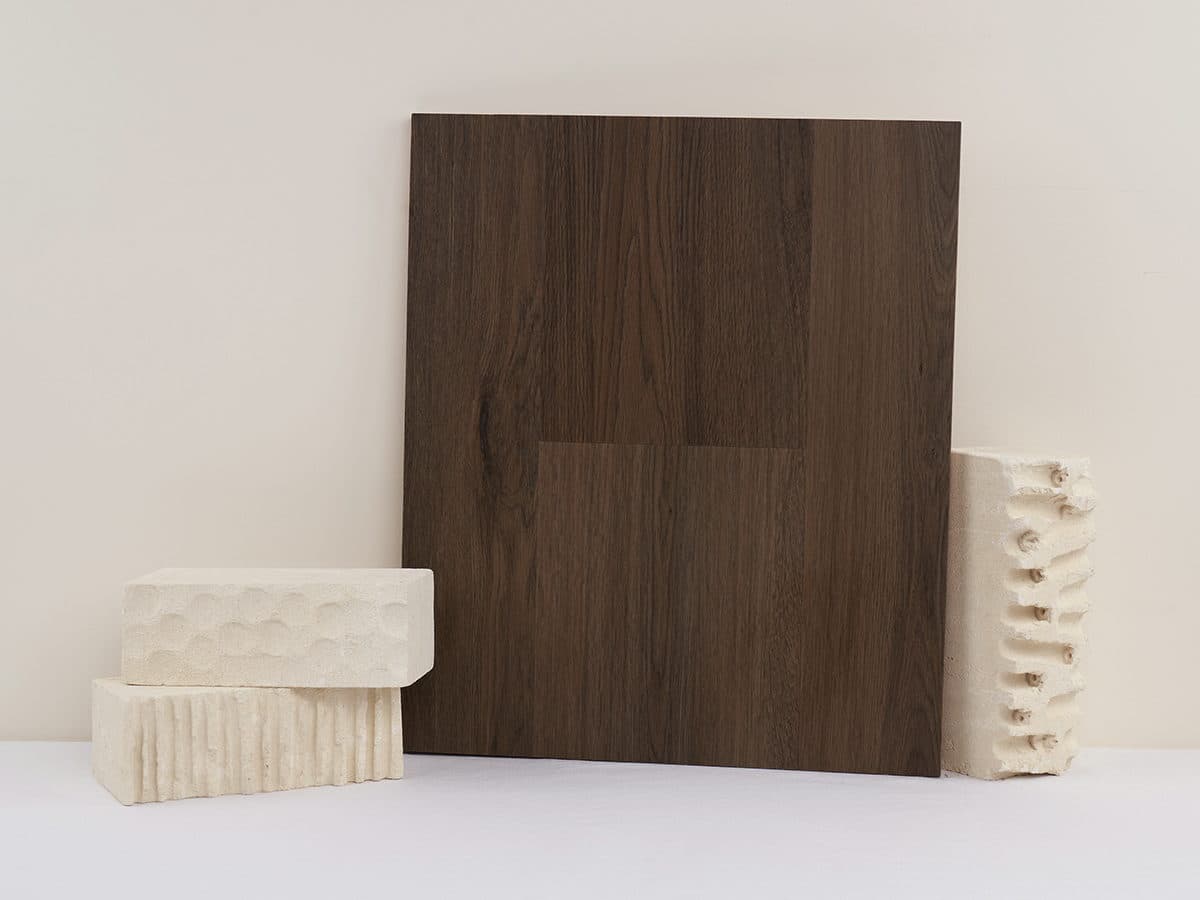
Once you know how each room is used, compare the main product families and their trade-offs. Hybrid flooring is rigid, fully water-resistant and very durable, which makes it a popular all-rounder for busy households. Engineered timber such as Oak Privé gives you a genuine timber surface with natural grain and warmth, plus the option to refinish down the track. Laminate offers a timber look at a lower price but suits drier areas. Vinyl plank is soft, quiet and water-resistant, useful for rentals and easy-care zones.
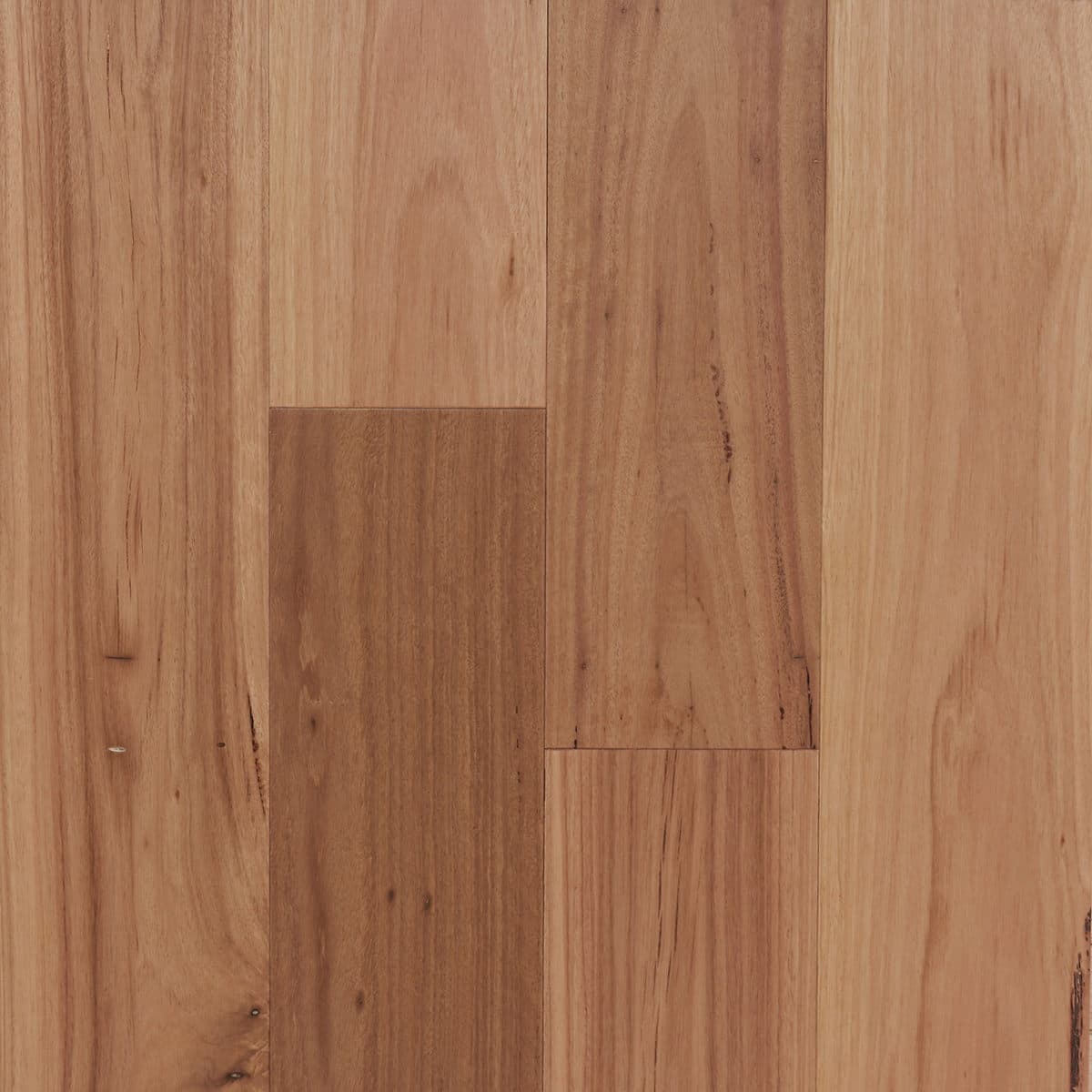
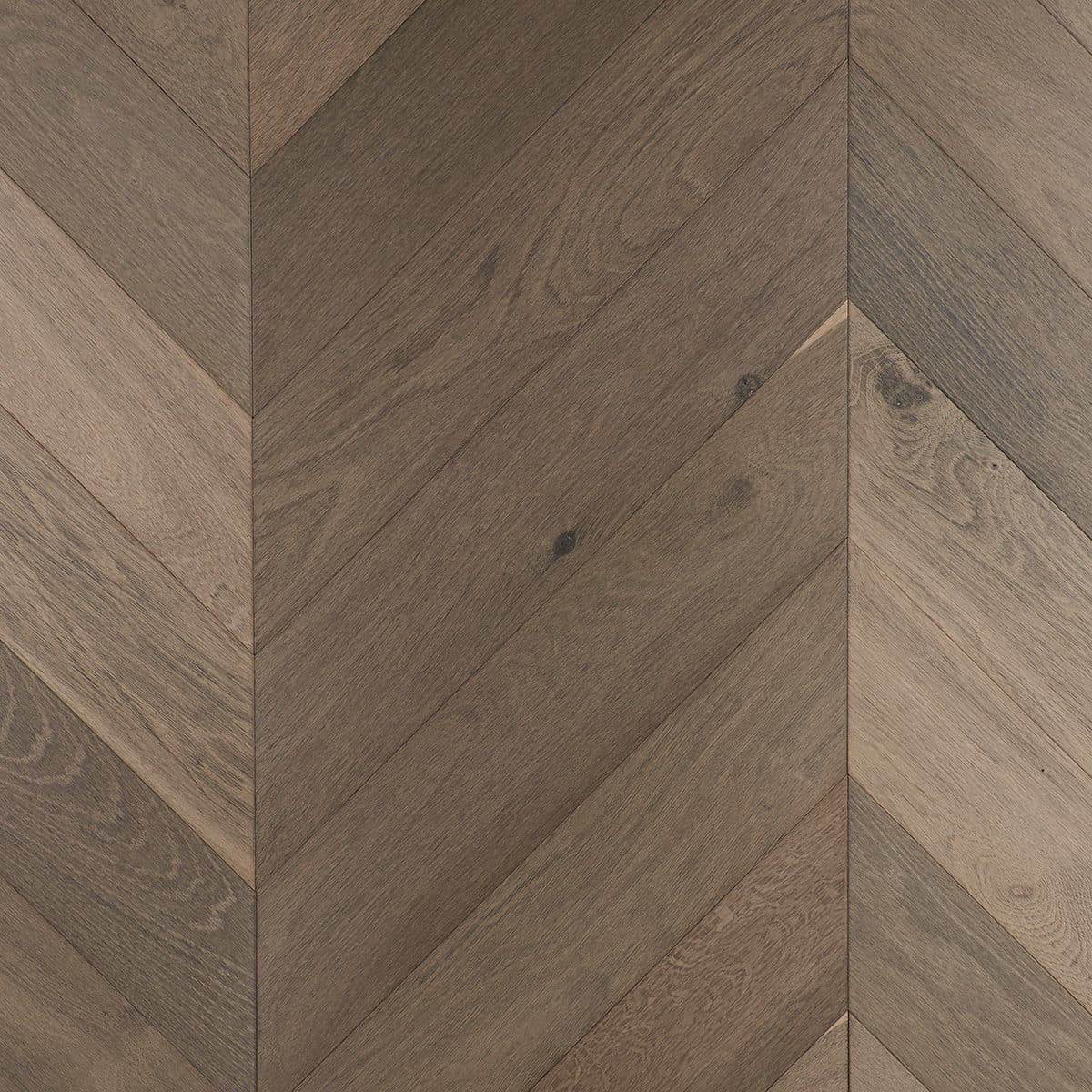
Beyond these, Australian timbers bring distinctive local character, parquetry adds a herringbone or chevron statement, and broadloom carpet delivers unmatched comfort in bedrooms. The right answer is usually a small combination across the home rather than one product everywhere.
Hybrid flooring
Rigid, fully water-resistant and durable, an easy all-rounder for busy homes.
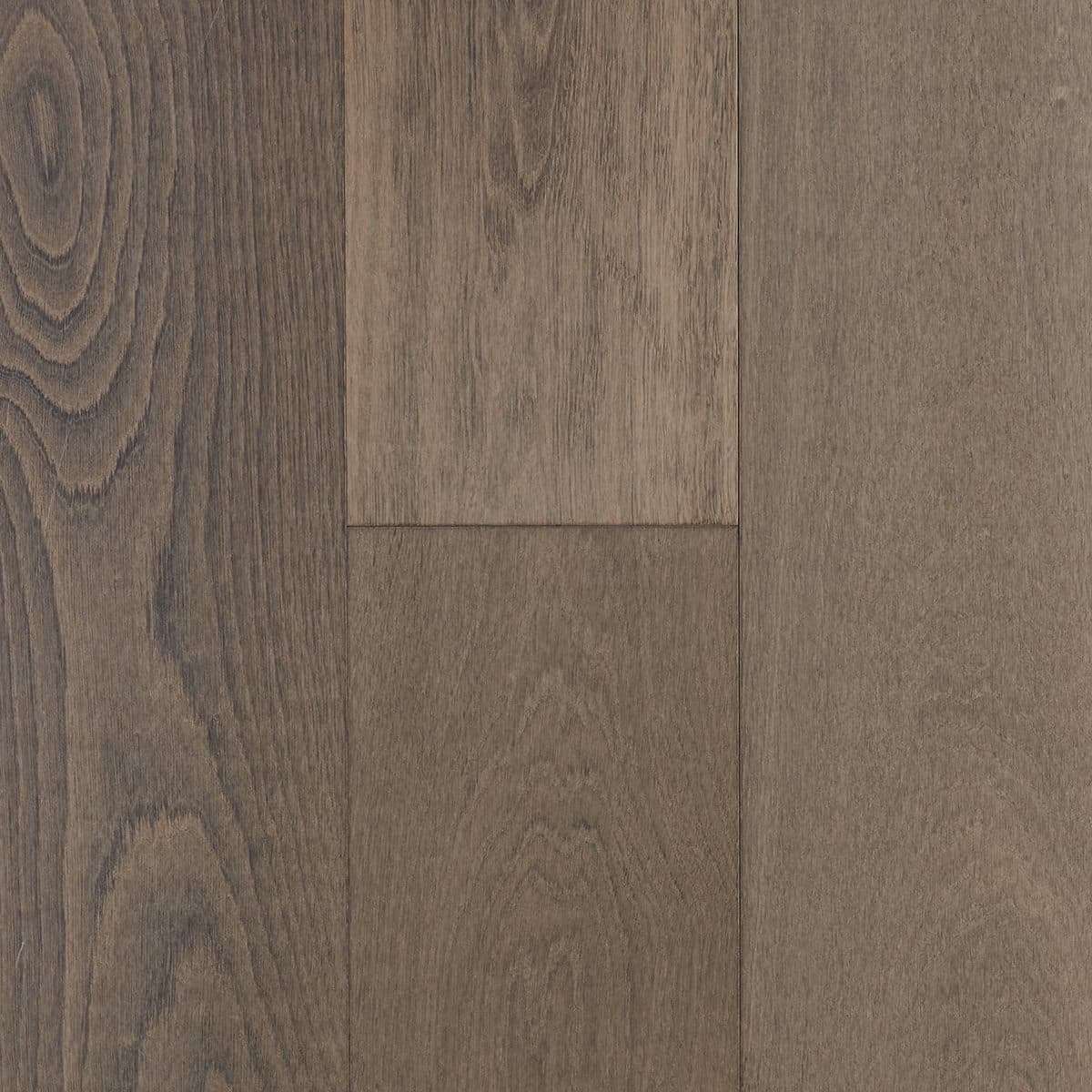
Oak Privé engineered oak
Real European oak with natural grain, warmth and a premium finish.
Australian timbers
Distinctive local species for character and natural variation.
Broadloom carpet
Soft, warm and quiet underfoot for bedrooms and lounges.
Step 3: Match water resistance and durability to the job
Water resistance is where many flooring regrets begin. Kitchens, laundries, bathrooms and entries see moisture regularly, so a fully water-resistant product like hybrid or quality vinyl plank will save you stress. Real timber and laminate can be beautiful elsewhere but tolerate standing water and humidity poorly, so they suit drier living areas and bedrooms.
Durability is the other half. Think about scratching from pets and furniture, denting from heavy items, and grit walked in from outside. Harder-wearing options with textured finishes hide everyday marks far better than smooth, glossy ones. Matching both water resistance and durability to each room is the practical heart of choosing flooring in Melbourne.

Step 4: Get the look, comfort and acoustics right
With the practical filters applied, focus on the look. Colour sets the mood and interacts with your light, walls and furniture. Lighter floors feel open and forgive dust, while darker tones feel rich but show more. Matt and brushed finishes read as natural and contemporary and hide footprints far better than high-gloss, which is why most Melbourne homes lean that way. Plank width matters too: wide planks feel modern and calm, narrower boards feel classic, and parquetry makes a deliberate statement.
Comfort and sound are easy to overlook but very noticeable once you live with a floor. Hard floors can feel cool and reflect noise, especially in open-plan spaces and apartments, so a good acoustic underlay is worth discussing for upstairs rooms and units. Carpet remains the most comfortable and quiet choice for bedrooms and lounges. If you are weighing the two most popular hard-floor options, our comparison of engineered timber versus hybrid flooring helps you choose.
Step 5: Be realistic about maintenance and budget
Choose flooring for the cleaning routine you will actually keep. Hard floors generally need a regular sweep or vacuum and an occasional damp mop, and textured matt finishes hide marks between cleans. High-gloss floors look striking but show every footprint and fine scratch. Real timber rewards a little more care but can be refinished years later, restoring it rather than replacing it.
On budget, flooring is priced as a supplied-and-installed package, so look at the full cost rather than the per-square-metre rate alone. Underlay, subfloor preparation, removal of old flooring, trims and labour all add up, and they vary with your existing floor's condition. Many homeowners invest more in main living areas and choose value options for bedrooms. Our guide on flooring cost in Melbourne breaks down the components so there are no surprises in the quote.
Step 6: Test samples at home, then measure and install
This is the step that turns a good shortlist into a confident decision. Flooring looks dramatically different under your own light than under showroom downlights or a small brochure swatch. The only reliable test is to lay decent-sized samples in the actual rooms, at different times of day, beside your real walls, cabinetry and furniture. This is exactly why we built TMBR as a mobile flooring showroom, bringing a curated range to your home so you can compare in context.
Once you have settled on a product, accurate measuring confirms quantities and sets the quote. The installation method is then matched to your subfloor and flooring, whether a floating floor over underlay, a glue-down, or direct-stick parquetry. A clean, well-prepared subfloor is the foundation of a floor that stays flat and quiet for years, so preparation is never the place to cut. You can see how we handle this end to end on our flooring installation in Melbourne page.
Where should I start when choosing flooring for my home?+
Start with how you live rather than with a colour. Think about your household, pets, kids and traffic, then work room by room. Once the practical needs are clear, the look and shortlist become much easier to narrow down.
Do I need different flooring in different rooms?+
Often, yes. Wet and high-traffic areas like kitchens and entries benefit from water-resistant, durable options, while bedrooms can prioritise comfort with carpet. Many Melbourne homes run a hard floor through living zones and switch to carpet in bedrooms.
What is the easiest flooring to live with?+
Hybrid and vinyl plank flooring are often the easiest to live with because they are durable, fully water-resistant and simple to clean. Textured matt finishes hide everyday marks better than high-gloss surfaces.
Why does TMBR bring samples to my home?+
Flooring looks very different under your own light than under showroom lighting. As a mobile flooring showroom, TMBR brings a curated range to your rooms so you can compare options in context, which is the most reliable way to choose with confidence.
How is flooring priced in Melbourne?+
Flooring is quoted as a supplied-and-installed package, covering the product plus underlay, subfloor preparation, removal, trims and labour. Looking at the full cost, not just the per-square-metre rate, gives you an accurate picture of the project.
What can we help you with?

From browsing here to your new floors
TMBR is a mobile flooring showroom. You choose from our range, we bring the samples to your home, then we supply and install.
- Step 1
Browse the range
Shortlist timber, hybrid, parquetry or carpet from our range.
- Step 2
Book a free visit
Pick a time that suits, including evenings and weekends.
- Step 3
We come to you
We bring the curated samples to your home.
- Step 4
Measure & quote
We compare options in your light, measure and quote on site.
- Step 5
Supply & install
Our local, fully insured team supplies and fits your floors.
Ready to sort your new floor?
Call for a quick chat, or send a few details for a free measure and quote. We'll bring the samples, measuring and quoting to your door, right across Melbourne.
Call 0449 156 789 · Evenings and weekends available, right across Melbourne.
Pick a time that suits you
Prefer to lock it in yourself? Choose a slot for a free, no-obligation chat about your flooring project, and we’ll bring the mobile showroom to you.