
Engineered timber vs hybrid flooring
A clear comparison for homeowners choosing between real timber warmth and practical timber-look durability.
Engineered timber and hybrid flooring both create beautiful timber-look floors that install over most subfloors and perform well in Melbourne's climate. But they are different products, and the right one depends on how you live and where you are flooring.
Engineered timber is a genuine wood product: a real hardwood veneer bonded to a stable plywood or composite core. It brings the warmth and natural variation only real wood can, and it can be sanded back and recoated a limited number of times. Hybrid is a rigid composite plank, usually built around a stone-plastic (SPC) core with a printed timber image and a tough wear layer. It is exceptionally water-resistant and easy to maintain, and it usually costs less, but the surface is a print and cannot be refinished.
Neither is universally better. This guide compares the two across appearance, durability, water resistance, comfort, refinishing, cost and best-fit rooms, so you can match the product to your home.
Appearance and feel
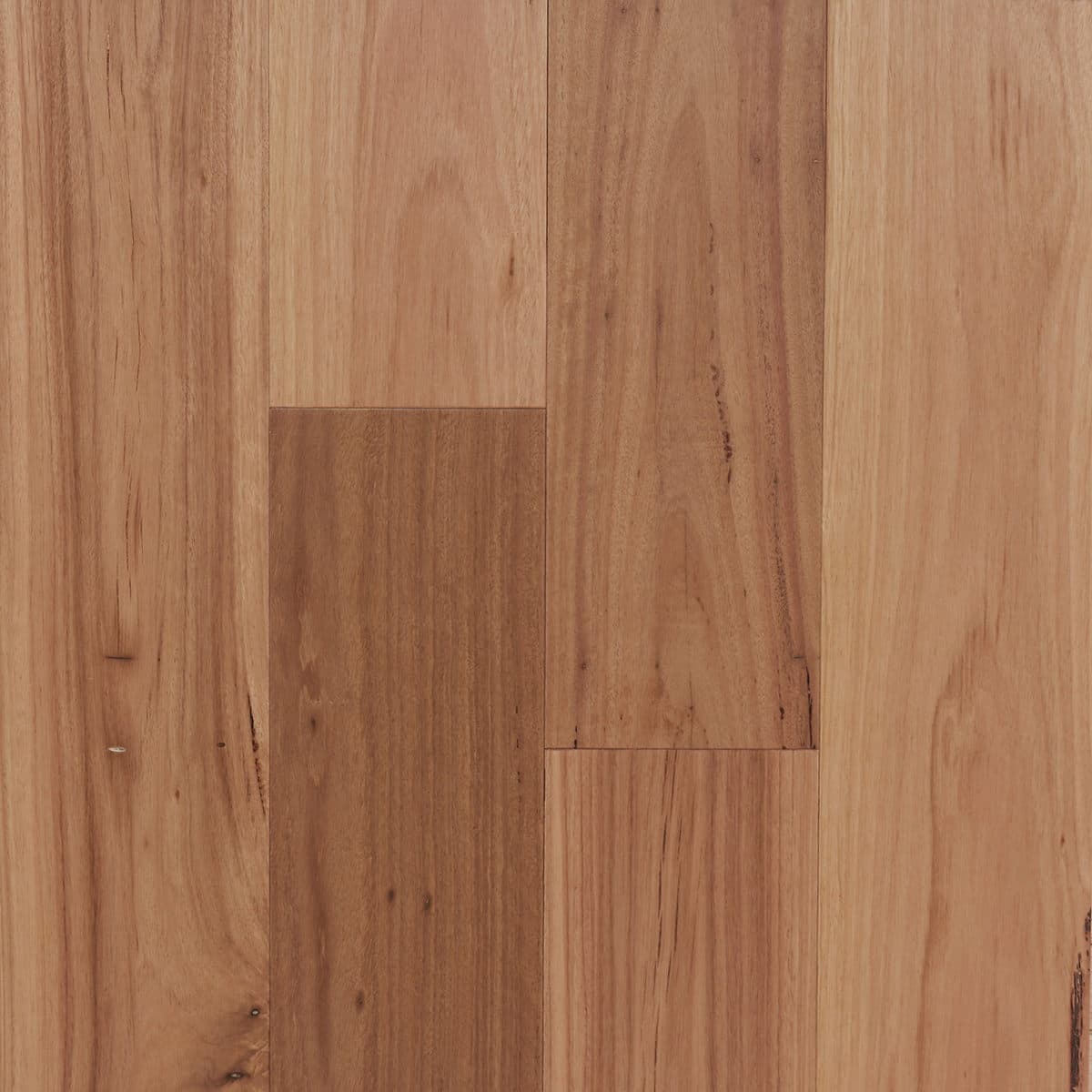
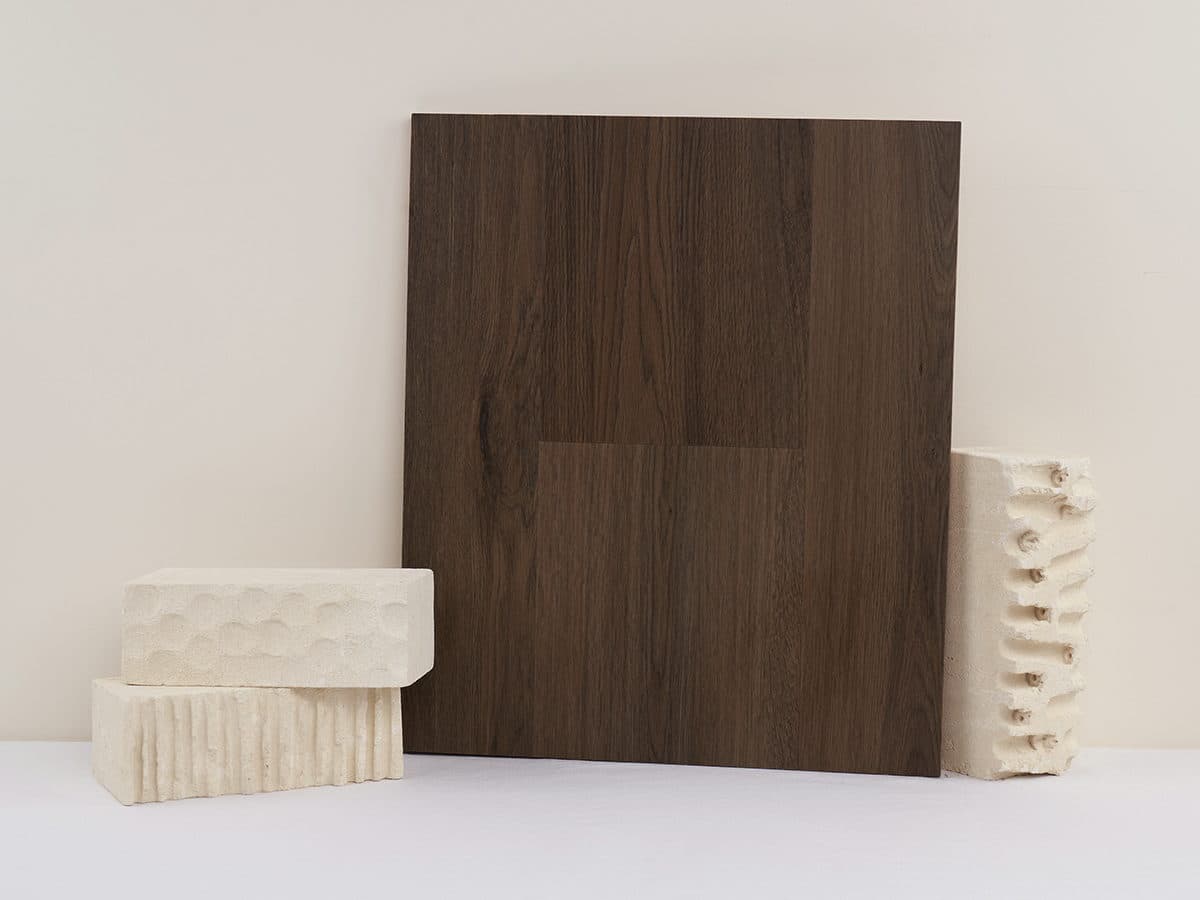
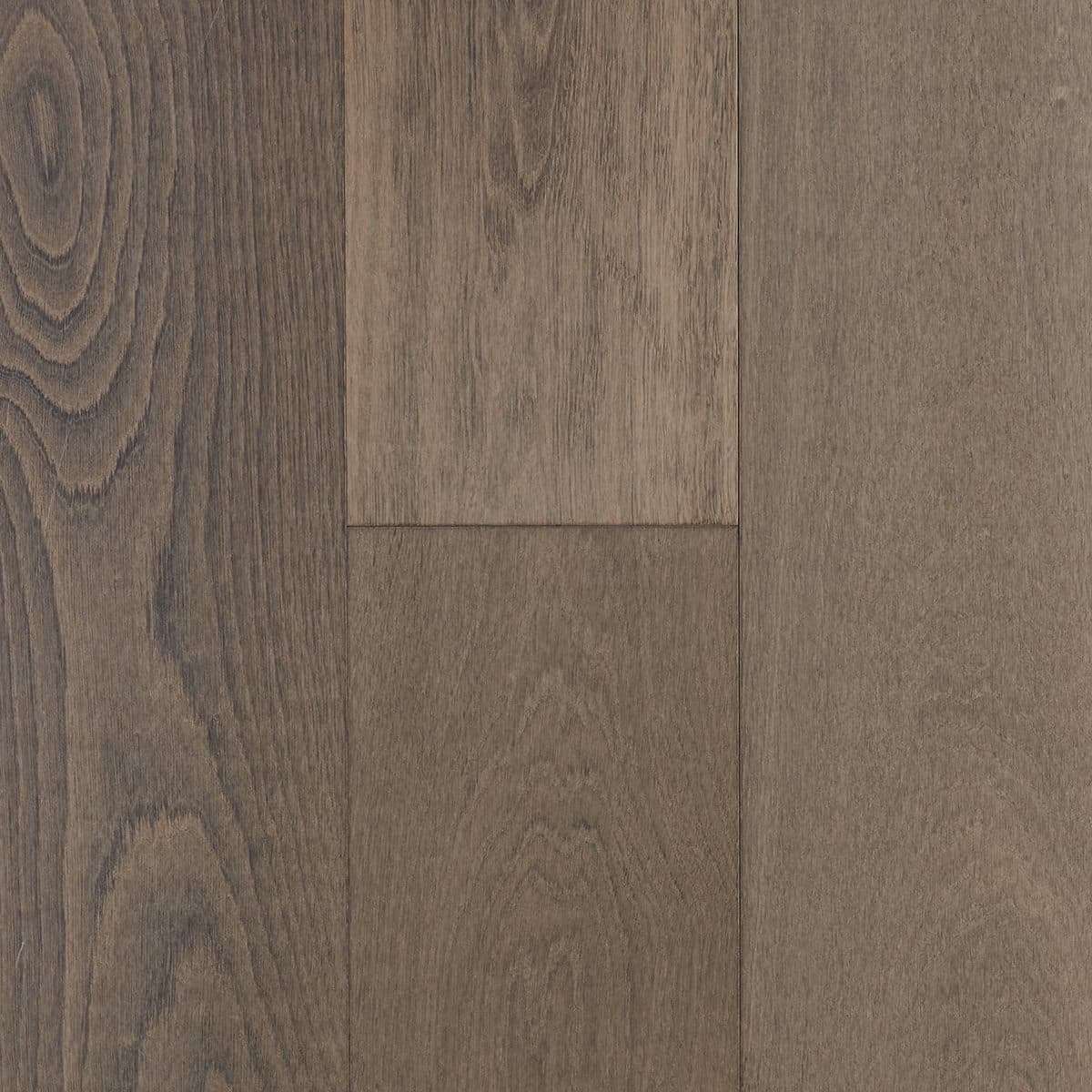
Appearance is where engineered timber leads. Because the surface is a real veneer, every board carries genuine grain, knots and tonal movement, so no two boards are identical. That variation reads as warmth and craftsmanship, especially in raking afternoon light. Our engineered oak and Australian timber ranges show how much character a real veneer brings to a room.
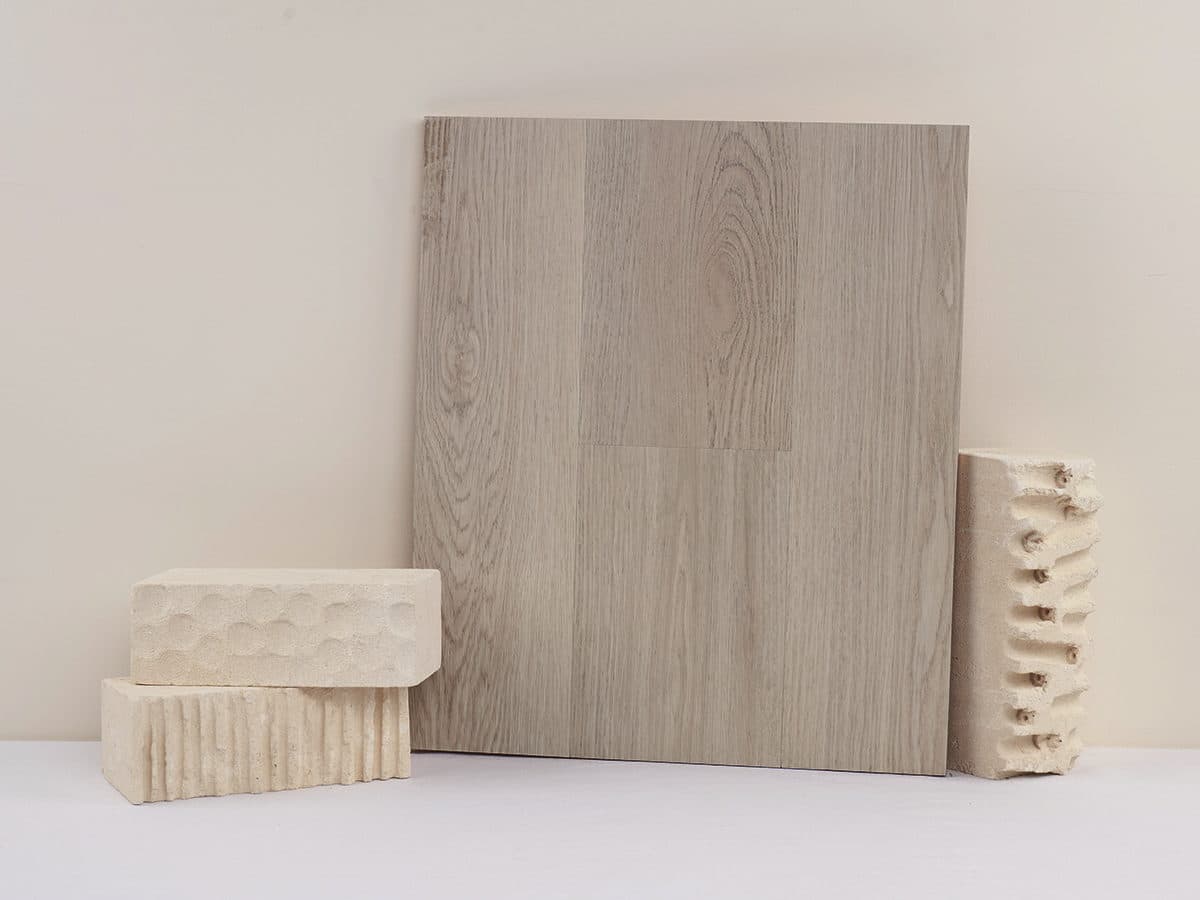
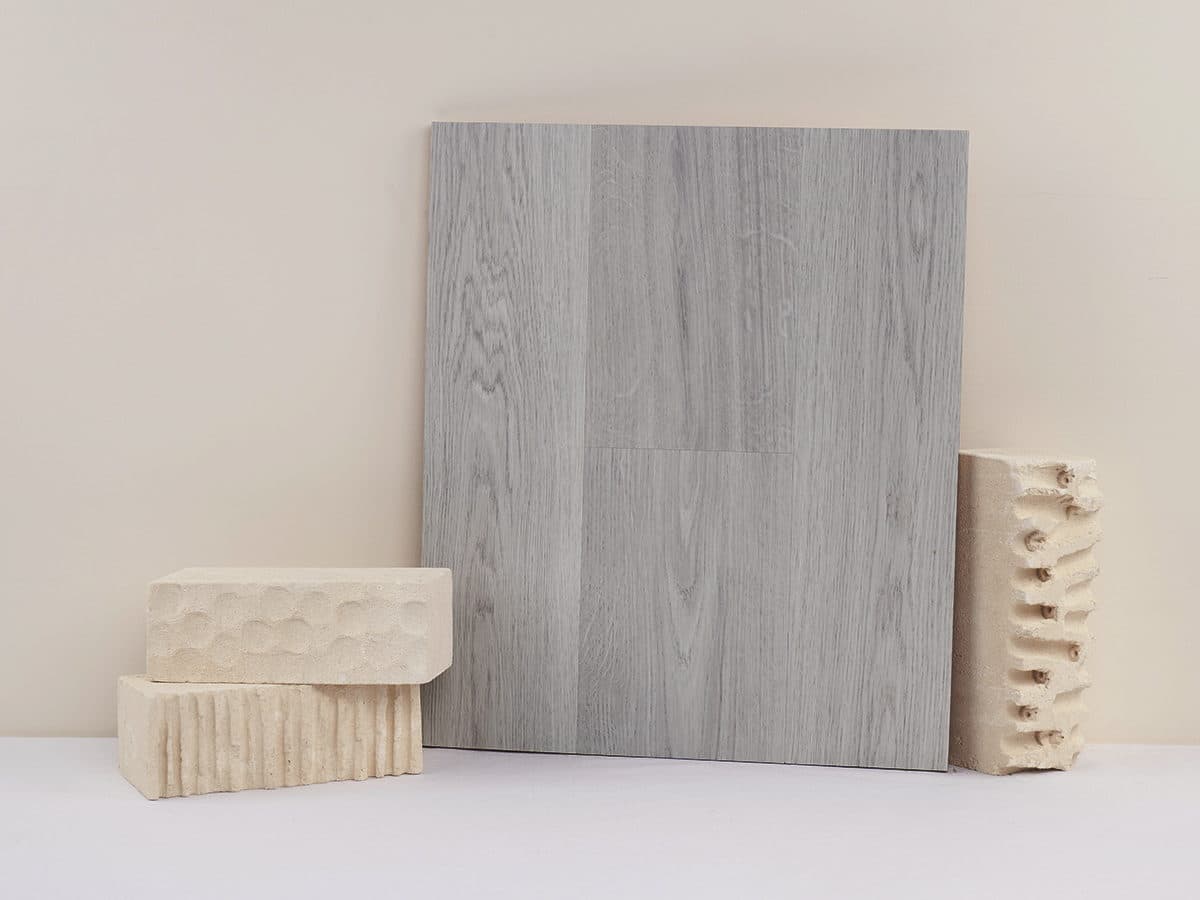
Hybrid has come a long way. High-definition printing and embossed texture look convincing at a glance, though the printed pattern eventually repeats across the floor and reads as more uniform. For many homes that consistency is perfectly acceptable, and you can browse the look in our hybrid range. If a premium, one-of-a-kind finish is the goal, engineered timber flooring in Melbourne is the more authentic choice.
Underfoot, both feel solid and substantial. Engineered timber has the resonant quality of real wood; hybrid feels firm and, with an acoustic underlay, controls footfall and sound transfer well, which suits apartments and upper floors. Feel is rarely the deciding factor on its own.

Water resistance and durability
This is where the products diverge most. Hybrid is built to be highly water-resistant: its rigid composite core does not swell or warp with surface moisture, which makes it ideal for kitchens, laundries and wet-prone family areas. For renovators flooring a whole home in one product, that water tolerance is a major reason hybrid flooring in Melbourne is so popular. Engineered timber is more stable than solid timber thanks to its layered core, but it is still real wood, so quick clean-ups matter and it is not the choice for genuinely wet zones.
For surface toughness, hybrid also usually wins. Its wear layer resists scratches, scuffs, dents and the daily punishment of pets, kids and furniture, which suits high-traffic hallways and open-plan living. A quality engineered veneer with a hard factory finish handles normal household life well, but the natural surface can mark and dent more readily, particularly with softer species. The key difference is repairability: hybrid resists damage better, but engineered timber can often be sanded and brought back to life.
Maintenance and refinishing
Day to day, hybrid is the lower-effort option. Sweeping and a damp mop keep it looking good, and you do not need to be precious about spills. Engineered timber asks for a little more care: felt pads under furniture, prompt spill clean-ups and timber-appropriate cleaning products.
The pay-off is genuine repairability. Because there is real timber on top, an engineered floor can typically be sanded and recoated a limited number of times, refreshing scratches and wear across the whole floor and extending its life. Hybrid cannot be refinished; surface damage is fixed by swapping out the affected planks, which is straightforward but relies on having matching stock. If you plan to keep your home long term and value renewing rather than replacing, that repairability is a real advantage.
The comparison below puts engineered timber first and hybrid second.
| Feature | Option 1 | Option 2 |
|---|---|---|
| Appearance | Real timber veneer with natural grain and one-of-a-kind variation. | Convincing printed timber look with more repetition across the floor. |
| Water resistance | Stable but moisture-sensitive; not ideal for wet rooms. | Highly water-resistant rigid core; suits kitchens and wet areas. |
| Durability and scratch | Durable but the natural surface can mark and dent more easily. | Tough wear layer resists scratches, scuffs and daily traffic. |
| Comfort and acoustics | Solid, warm real-wood feel; quiet with the right underlay. | Firm underfoot; acoustic underlay reduces footfall and noise. |
| Refinishing | Can be sanded and recoated a limited number of times. | Cannot be refinished; damaged planks are replaced instead. |
| Cost | Generally the higher-cost, premium option. | Generally the more affordable, value-focused option. |
| Best rooms | Living areas, bedrooms, character homes and renovations. | Kitchens, hallways, wet zones, apartments and high-traffic homes. |

Cost and resale
Hybrid is generally the more affordable choice in both materials and installation, which is a large part of its appeal for whole-home projects. Engineered timber sits at the premium end, reflecting its real timber content and finish. We avoid quoting exact prices because they shift with species, grade, board size and project scale, so the meaningful point is relative: expect to pay more for engineered timber and less for hybrid.
There is also a resale perception. Real timber tends to carry a premium feel that buyers respond to, which can reinforce quality in higher-value homes. Hybrid is widely respected as a practical, modern floor, but it does not usually carry the same prestige as genuine wood. For design-led renovations and character properties, that perception can tip the decision toward timber.
Which should you choose?
Choose engineered timber if you want authentic natural character, a premium feel, the ability to refinish over time, and you are flooring dry living spaces and bedrooms in a home you plan to keep. Choose hybrid if your priorities are water resistance, scratch resistance, easy maintenance and value, especially in kitchens, hallways, apartments and busy households with kids or pets.
Many Melbourne homeowners use both: engineered timber in feature living areas, hybrid in wetter, higher-traffic zones. The most reliable way to decide is to see both products in your own home, against your walls, cabinetry and natural light. If you are also weighing hybrid against other practical options, our guide on hybrid vs laminate flooring is a useful companion read, and you can learn how our mobile flooring showroom in Melbourne works before you book.
Is engineered timber better than hybrid flooring?+
Neither is universally better. Engineered timber is the stronger choice when real timber character, a premium feel and the ability to refinish matter most. Hybrid is better when you need water resistance, scratch resistance, low maintenance and value, particularly in kitchens, hallways and busy family homes.
Which flooring is more water-resistant?+
Hybrid flooring is significantly more water-resistant thanks to its rigid composite core, which makes it well suited to kitchens, laundries and wet-prone areas. Engineered timber is stable but remains a real wood product and is less tolerant of standing water and prolonged moisture.
Can engineered timber be sanded and refinished?+
Yes. Because engineered timber has a genuine timber veneer on top, it can be sanded back and recoated a limited number of times over its life, which refreshes scratches and wear. Hybrid flooring cannot be refinished; damaged planks are replaced instead.
Which option costs more?+
Engineered timber is generally the more premium, higher-cost option because it contains real timber, while hybrid flooring is usually more affordable in both materials and installation. Exact pricing depends on the product, board size and the scale of your project.
Can I use hybrid and engineered timber in the same home?+
Absolutely, and many Melbourne homeowners do. A common approach is engineered timber in feature living areas and bedrooms for warmth and character, with hybrid in kitchens, hallways and other high-traffic or wet zones for durability and easy care.
Related flooring advice

Hybrid vs Laminate Flooring
Compare hybrid and laminate flooring for Melbourne homes, including water resistance, durability, cost, maintenance and best rooms.
Read guide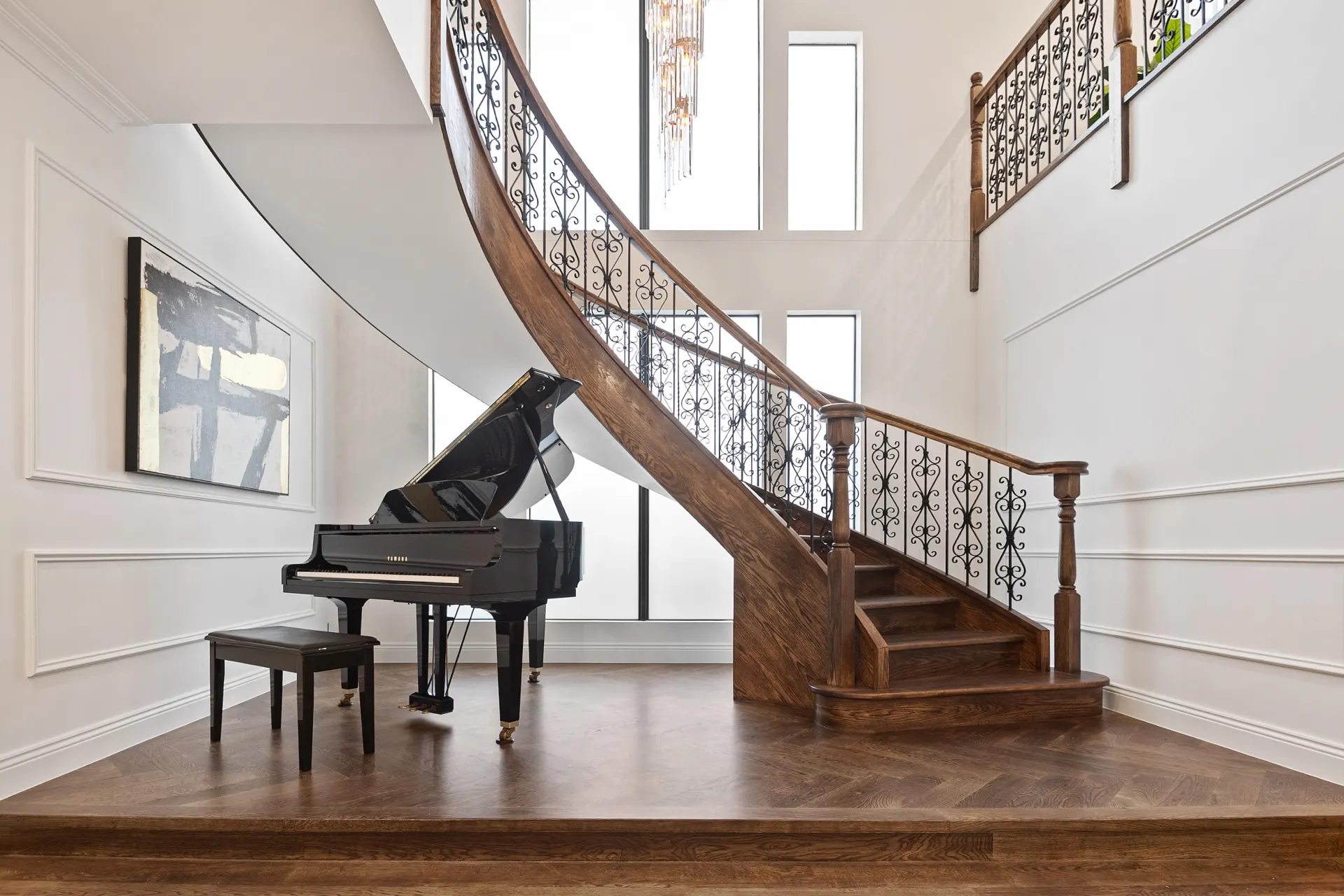
Doncaster East: A Full-Home Transformation
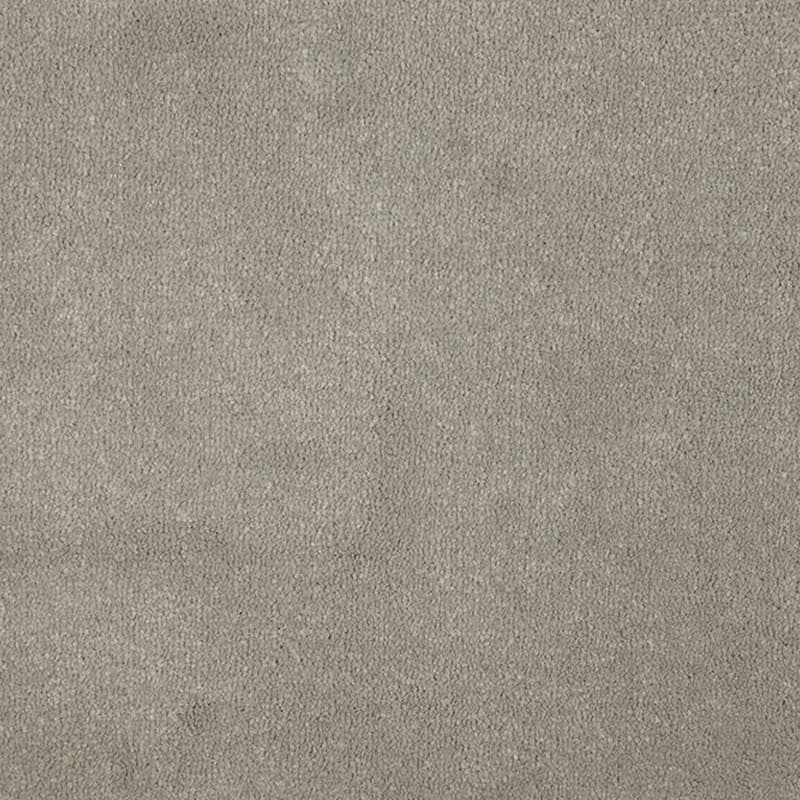
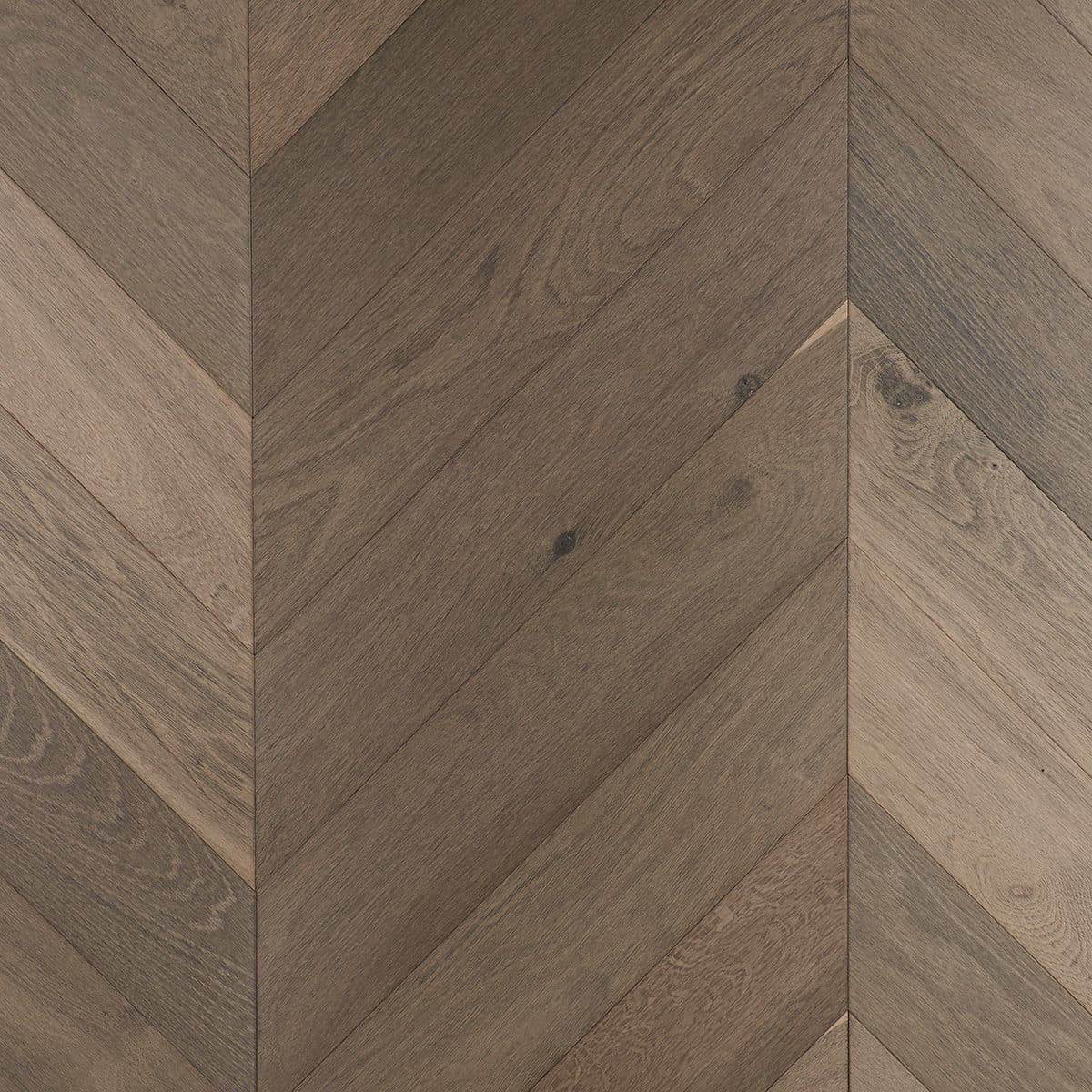
A full-home flooring transformation in Doncaster East: engineered oak herringbone through the living zones, with plush wool carpet in the bedrooms.
View pageWhat can we help you with?
From browsing here to your new floors
TMBR is a mobile flooring showroom. You choose from our range, we bring the samples to your home, then we supply and install.
- Step 1
Browse the range
Shortlist timber, hybrid, parquetry or carpet from our range.
- Step 2
Book a free visit
Pick a time that suits, including evenings and weekends.
- Step 3
We come to you
We bring the curated samples to your home.
- Step 4
Measure & quote
We compare options in your light, measure and quote on site.
- Step 5
Supply & install
Our local, fully insured team supplies and fits your floors.
Ready to sort your new floor?
Call for a quick chat, or send a few details for a free measure and quote. We'll bring the samples, measuring and quoting to your door, right across Melbourne.
Call 0449 156 789 · Evenings and weekends available, right across Melbourne.
Pick a time that suits you
Prefer to lock it in yourself? Choose a slot for a free, no-obligation chat about your flooring project, and we’ll bring the mobile showroom to you.