
Best flooring for kitchens
Kitchen flooring needs to handle spills, cleaning, foot traffic and visual connection to nearby living spaces.
The kitchen is the hardest working room in most Melbourne homes, so choosing the best flooring for kitchens means looking past how a board photographs. This is where water gets splashed, sauces get dropped, pots get knocked off benchtops and the family moves through dozens of times a day. The floor has to absorb all of that and still look considered next to your cabinetry, stone and appliances years from now.
Modern kitchens rarely sit on their own either. Open-plan layouts flow straight into dining and living zones, so kitchen flooring needs to be tough enough for the working area while feeling warm and seamless across the whole space. The good news is that water resistant kitchen flooring has caught up: hybrid and vinyl plank now deliver genuine timber looks with real spill resistance, and engineered timber brings natural warmth where it suits.
What a kitchen floor has to handle
A kitchen floor faces stresses that few other rooms do. Spills are constant, from water and oil to wine and acidic juices, and they often go unnoticed until later. Foot traffic is heavy and concentrated between the sink, fridge and cooktop, so wear shows quickly in a poorly chosen floor. Dropped pans, jars and knives are a daily reality, so the surface needs to resist denting and chipping.
Comfort matters too. You stand for long stretches while cooking, so a floor with a little give underfoot is easier on your back than cold tile. So does cleaning: grease and crumbs build up fast near a cooktop, and a surface that wipes clean without special products saves real effort over the years. Finally, a little surface texture gives better grip than high gloss when the floor gets wet, which is worth weighing in homes with children or older family members.
Water resistance explained
Water resistance is the single most important property for kitchen flooring, and the terms matter. Truly waterproof products have a core that does not absorb moisture or swell, so a spill left on the surface causes no lasting damage. Water resistant products handle surface moisture and quick wipe-ups well, but can be affected if water sits in the joints or seeps underneath for long periods.
For a kitchen, that distinction is practical. A floor that tolerates the occasional damp mop is not the same as one that shrugs off a burst dishwasher hose. Hybrid and quality vinyl plank sit at the strong end because their cores are built not to react to water, which is why they consistently rank as the best water resistant kitchen flooring for busy households. Our guide to waterproof flooring options breaks the categories down further.

Hybrid, vinyl and engineered timber
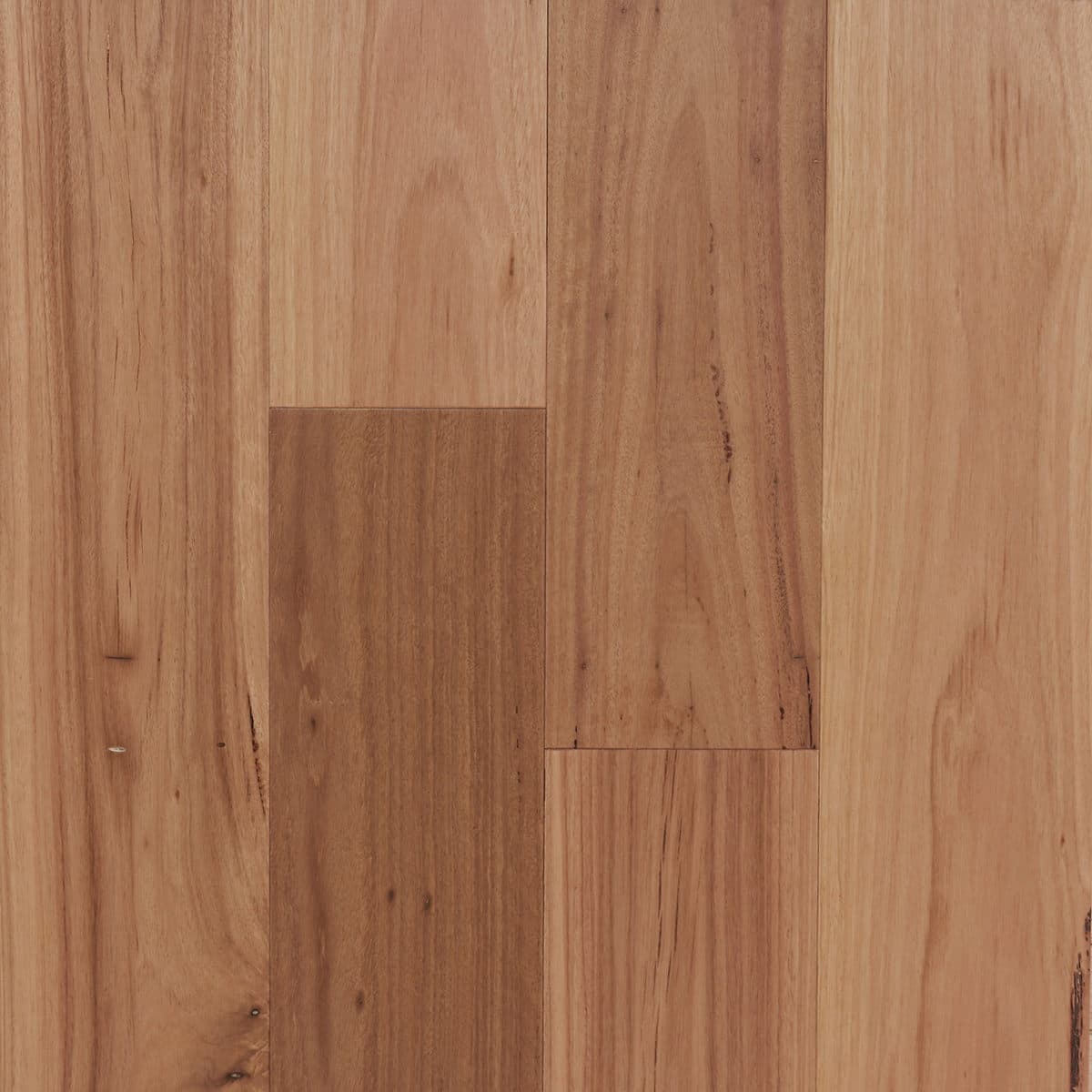
Hybrid flooring is usually the best place to start for Melbourne kitchens. It pairs a rigid, water-resistant core with a realistic timber-look surface, so spills wipe up without worry, the finish resists scratches and dents, and the textured boards hold up in bright natural light. It is firmer than soft vinyl but more comfortable than tile, often with an attached acoustic backing, and because it floats it copes with the seasonal movement between cold winters and hot summers. See the hybrid range, the hybrid flooring Melbourne page, or our best flooring for pets guide, where the same scratch and moisture resistance applies.
Quality vinyl plank is the other strongly practical choice. It is fully water resistant, soft and quiet underfoot, and very easy to clean, which suits homes where comfort and budget lead. The main thing to watch is quality, since thinner, cheaper vinyl can dent under heavy appliances or wear faster in high-traffic zones.
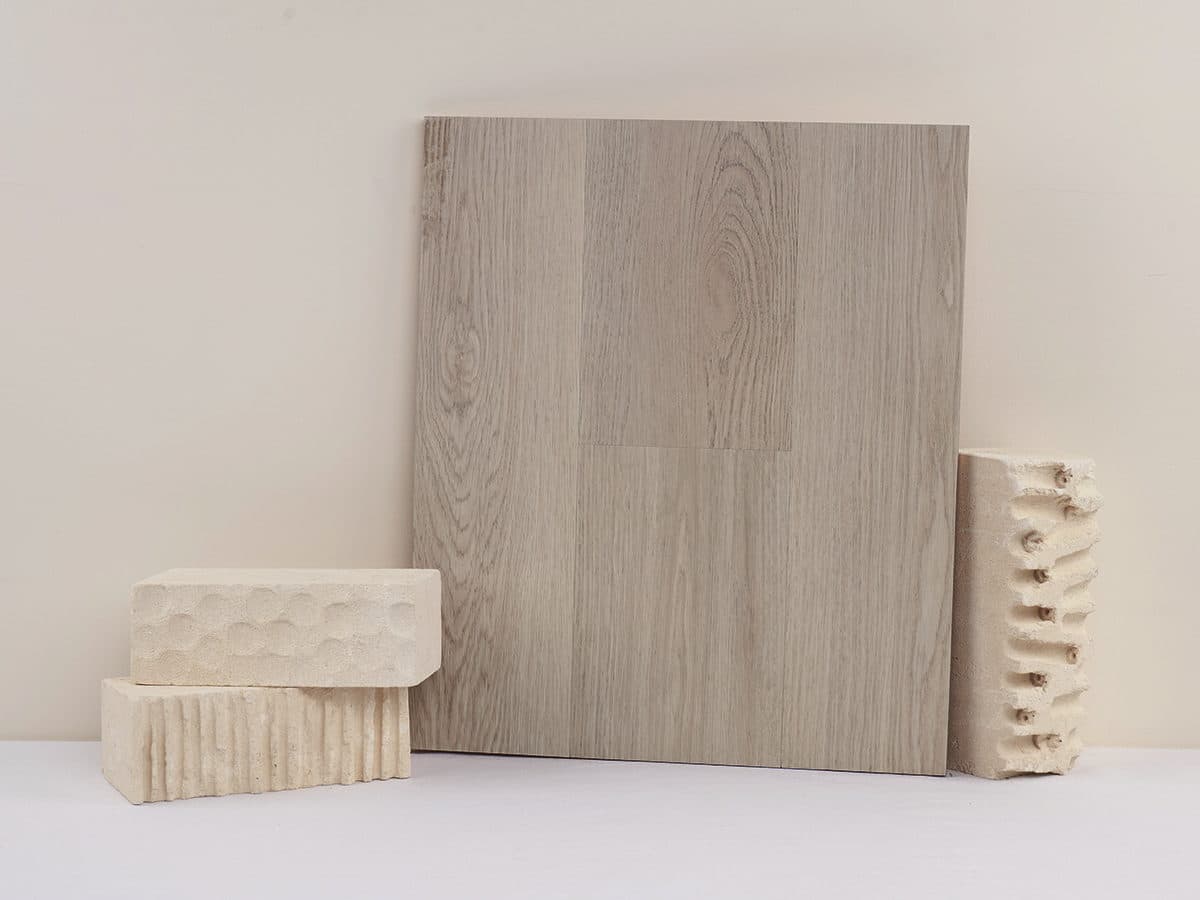
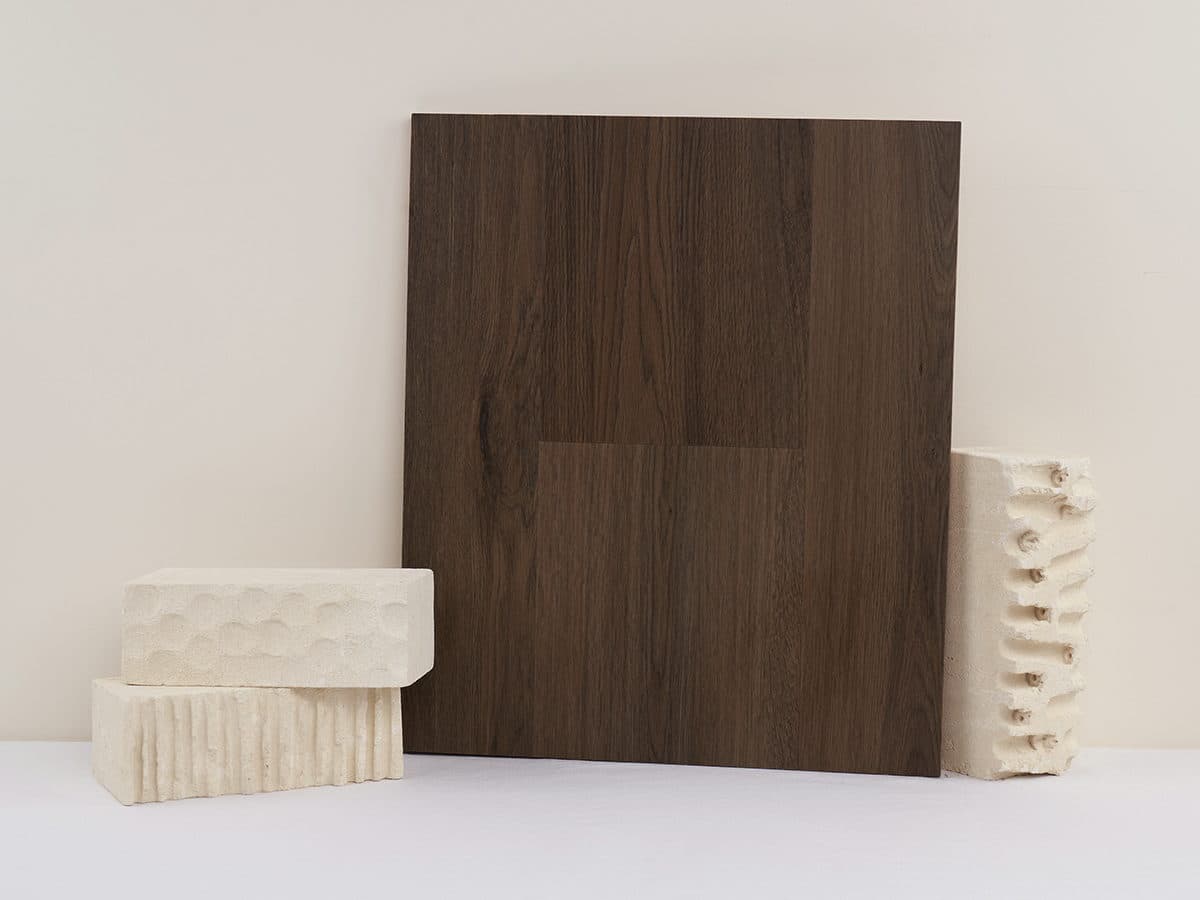
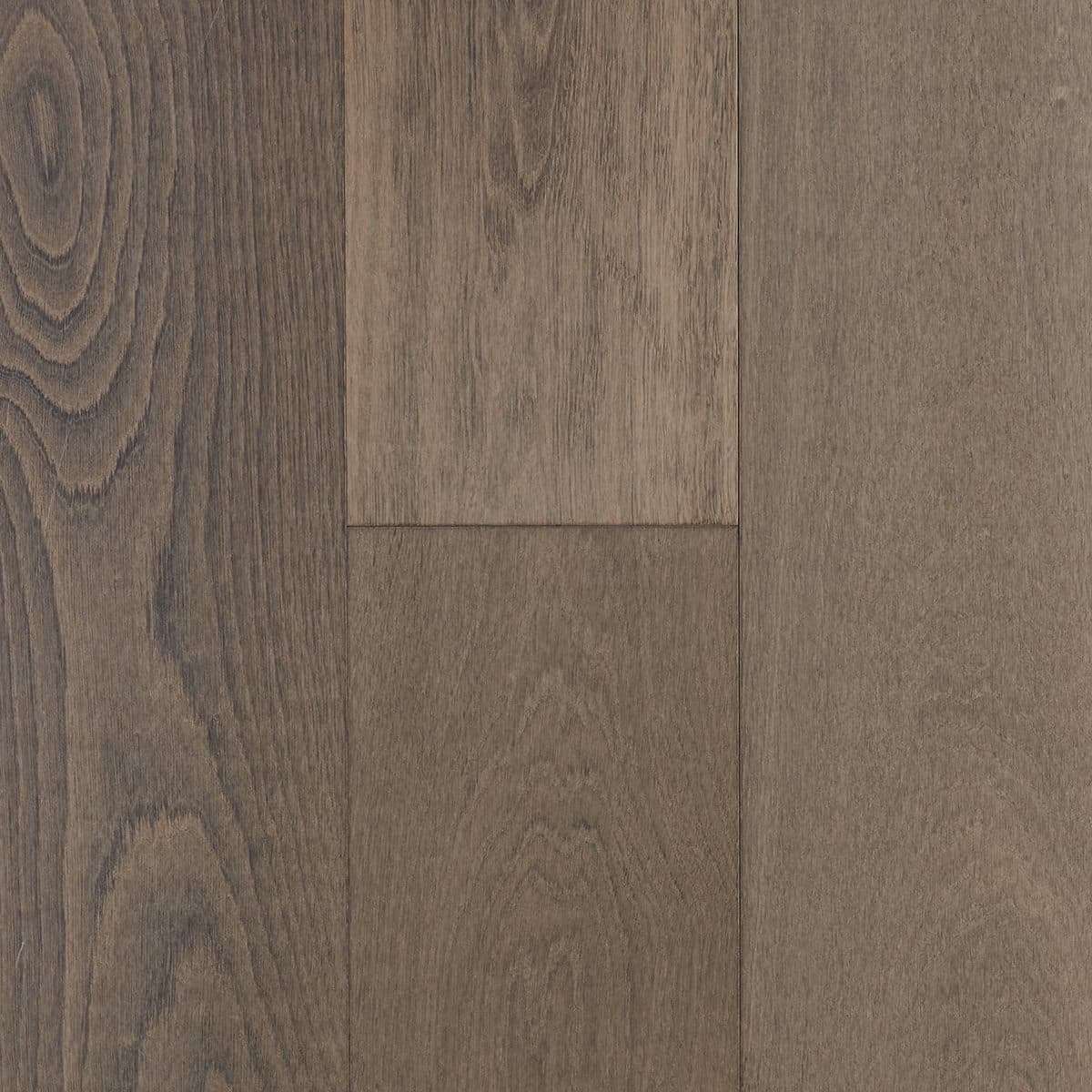
Engineered timber sits at the premium end, and is the pick when the kitchen flows into open-plan living and you want genuine timber throughout. A board like Oak Privé gives a refined, warm finish across the whole zone. The trade-off is care: engineered timber is not waterproof, so spills need wiping promptly and a little more attention around the sink and dishwasher. Our engineered timber flooring Melbourne page covers where it works best.
Laminate and solid timber are the riskier options near water. Laminate looks the part at a lower price, but its fibreboard core can swell if water sits in the joints. Solid timber is beautiful yet moves with humidity and marks permanently under standing water, so both are better suited to living and bedroom areas than the working heart of the kitchen.

Open-plan flow and cleaning
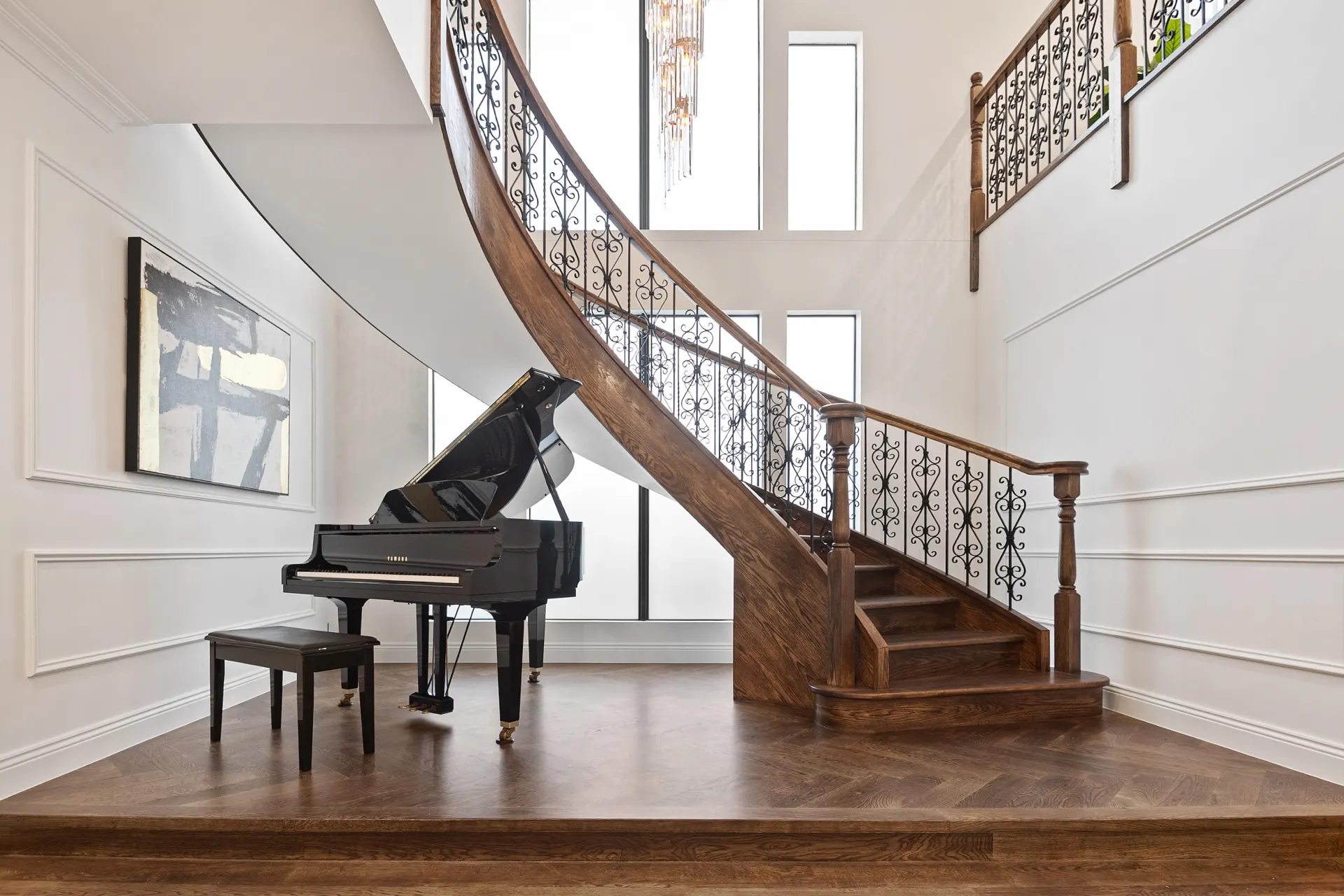
In open-plan homes the kitchen floor sets the tone for the whole ground level. Running one continuous floor from the kitchen through dining and living areas is one of the simplest ways to make a space feel larger and calmer, and it removes awkward transition strips between materials. This is where hybrid and engineered timber earn their place: both are durable enough for the kitchen yet warm enough for the living zone.
Day to day, the practical floors prove their worth. Hybrid and vinyl plank need little more than regular sweeping and an occasional damp mop, with no waxing or special cleaners, and their sealed surfaces stop grease working in. Engineered timber wants a gentler routine with a barely damp mop and timber-safe products. Long-term durability also comes down to the subfloor: an uneven or poorly prepared base can cause flexing, gaps or noise no matter how good the surface is, which is why proper measuring and installation matter.
How to choose
The right choice depends on how you live. For the strongest all-rounder, hybrid is hard to beat for the balance of water resistance, durability and warmth. If comfort and budget lead, quality vinyl plank is a smart practical option. If your kitchen opens into living space and you want authentic timber throughout, engineered timber delivers the premium look, as long as you give it a little extra care around water.
Whatever you are leaning towards, the most reliable way to decide is to see the flooring in your own kitchen. That is what TMBR's mobile flooring showroom is built for: we bring samples to your home so you can compare tone, texture and finish in your own light, next to your cabinetry and benchtops. While we are there we can measure, talk through your layout and provide a clear quote. TMBR supplies and installs, so the same team that helps you choose prepares the subfloor and completes the job. You can also browse the full range before you book.
What is the best flooring for kitchens?+
Hybrid flooring is usually the best flooring for kitchens because it is water resistant, durable and easy to clean while still giving a warm timber look. Quality vinyl plank is a strong, comfortable alternative, and engineered timber suits open-plan kitchens where you want genuine natural timber.
What is the most water resistant kitchen flooring?+
Hybrid and quality vinyl plank are the most water resistant kitchen flooring options because their cores do not absorb moisture or swell when wet. This makes them ideal for areas around the sink, dishwasher and cooktop where spills are common.
Can I use engineered timber in a kitchen?+
Yes, engineered timber works well in many kitchens, especially open-plan ones where you want a continuous natural timber look. It is not waterproof, so spills should be wiped up promptly and care taken around the sink and dishwasher compared with hybrid or vinyl.
Is laminate a good choice for kitchen flooring in Melbourne?+
Laminate can suit lower-budget kitchen flooring in Melbourne, but its core can swell if water sits in the joints, so it carries more risk near water than hybrid or vinyl. If moisture resistance is a priority, hybrid is generally the safer pick.
Should kitchen flooring match the living room?+
In open-plan homes, running one continuous floor through the kitchen, dining and living areas usually looks best. It removes awkward transitions and makes the whole space feel larger and calmer, which is why durable, warm options like hybrid and engineered timber are popular.
What can we help you with?

From browsing here to your new floors
TMBR is a mobile flooring showroom. You choose from our range, we bring the samples to your home, then we supply and install.
- Step 1
Browse the range
Shortlist timber, hybrid, parquetry or carpet from our range.
- Step 2
Book a free visit
Pick a time that suits, including evenings and weekends.
- Step 3
We come to you
We bring the curated samples to your home.
- Step 4
Measure & quote
We compare options in your light, measure and quote on site.
- Step 5
Supply & install
Our local, fully insured team supplies and fits your floors.
Ready to sort your new floor?
Call for a quick chat, or send a few details for a free measure and quote. We'll bring the samples, measuring and quoting to your door, right across Melbourne.
Call 0449 156 789 · Evenings and weekends available, right across Melbourne.
Pick a time that suits you
Prefer to lock it in yourself? Choose a slot for a free, no-obligation chat about your flooring project, and we’ll bring the mobile showroom to you.