
Best flooring for apartments
Apartment flooring needs to balance acoustic requirements, durability, cleaning and the look you want in a smaller footprint.
Choosing the best flooring for apartments means working within constraints you do not face in a freestanding house: a smaller footprint, shared walls and floors, and building rules that can dictate exactly what you are allowed to install. In a Melbourne apartment the floor has to look good, hold up to daily wear, and keep the neighbours below you happy, all at once.
Modern products handle this well. Hybrid flooring, engineered timber, quality carpet and vinyl plank all have a place depending on your budget, whether you own or rent, and what your building requires. The key is matching the product to the room and the rules, rather than choosing on looks and discovering an acoustic or height problem later.
Check your owners corporation rules first
Before you fall for a particular board or colour, check your building's rules. Most complexes have an owners corporation, sometimes still called a body corporate, and many set minimum acoustic requirements for hard flooring to stop footstep noise reaching the apartment below. These rules are usually enforceable.
In practice that means two things. You may need an acoustic underlay meeting a specified rating before you can lay hybrid, timber or laminate. And some buildings restrict hard flooring in certain rooms, or require approval before any work begins. Request the rules in writing early, because they directly affect product choice, underlay budget, and finished floor height.
A good acoustic underlay also reduces the hollow, drumming sound hard floors can create in multi-level buildings, so it is a comfort benefit as much as a compliance step. Even where no rule applies, a quality underlay is a smart choice for quieter rooms.
Durability and cleaning for apartment life
Apartments concentrate activity into a compact area, so the living and kitchen floor takes heavy traffic for its size. You want a surface that resists scratching, copes with spills, and cleans up quickly. This is where water-resistant and waterproof options have a real edge, especially in open-plan layouts where the kitchen flows straight into the living and dining space.
Hybrid and vinyl floors wipe clean and shrug off splashes near a kitchen bench or entry. Engineered timber needs a little more care but is very liveable when sealed well. If pets, kids or frequent guests are part of the picture, lean towards harder-wearing surfaces in the busy zones and save softer finishes for bedrooms. For moisture-prone areas, our guide to waterproof flooring options covers where water resistance matters most.

Best flooring options for apartments
No single floor suits every apartment, but a handful of products cover most situations well.
Hybrid flooring
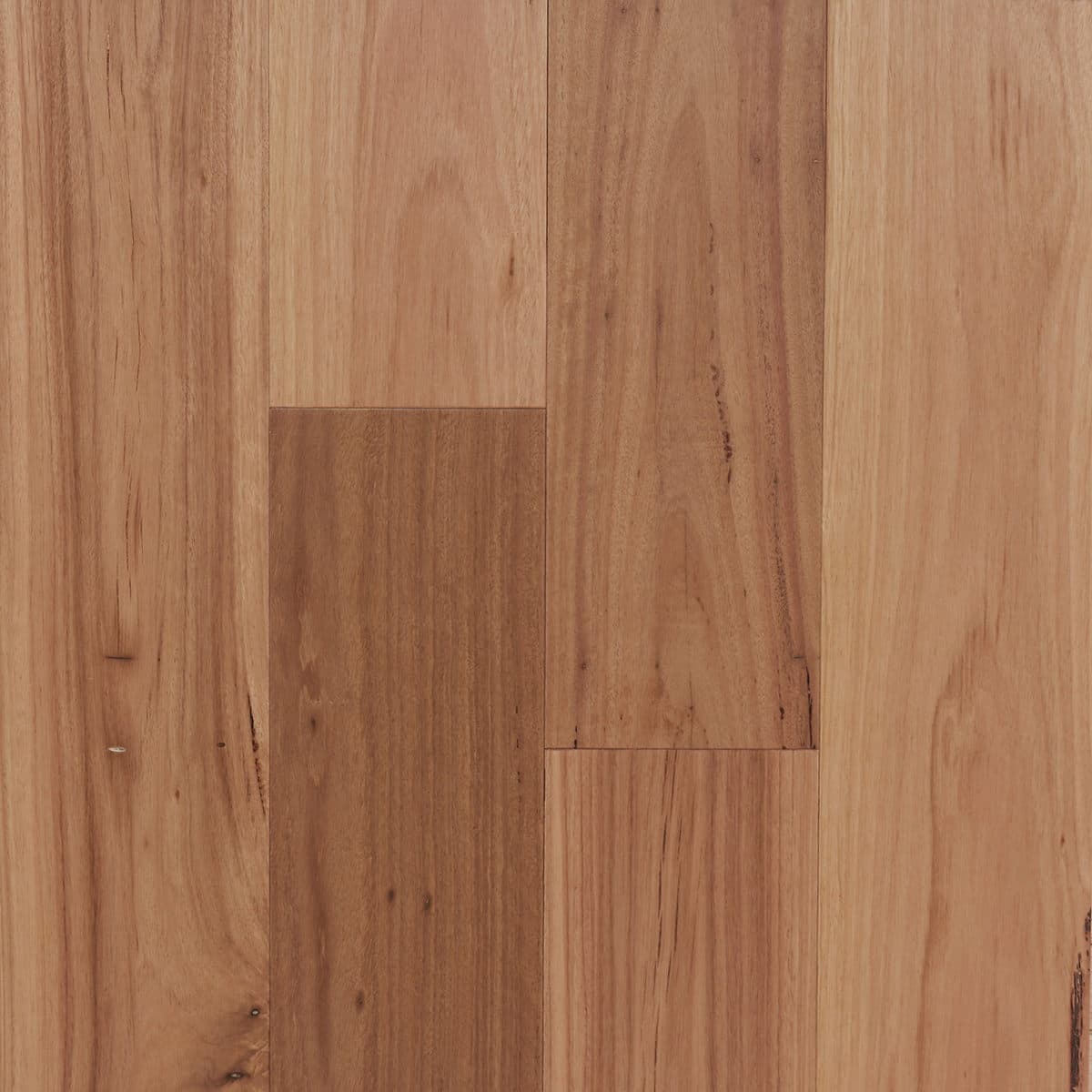
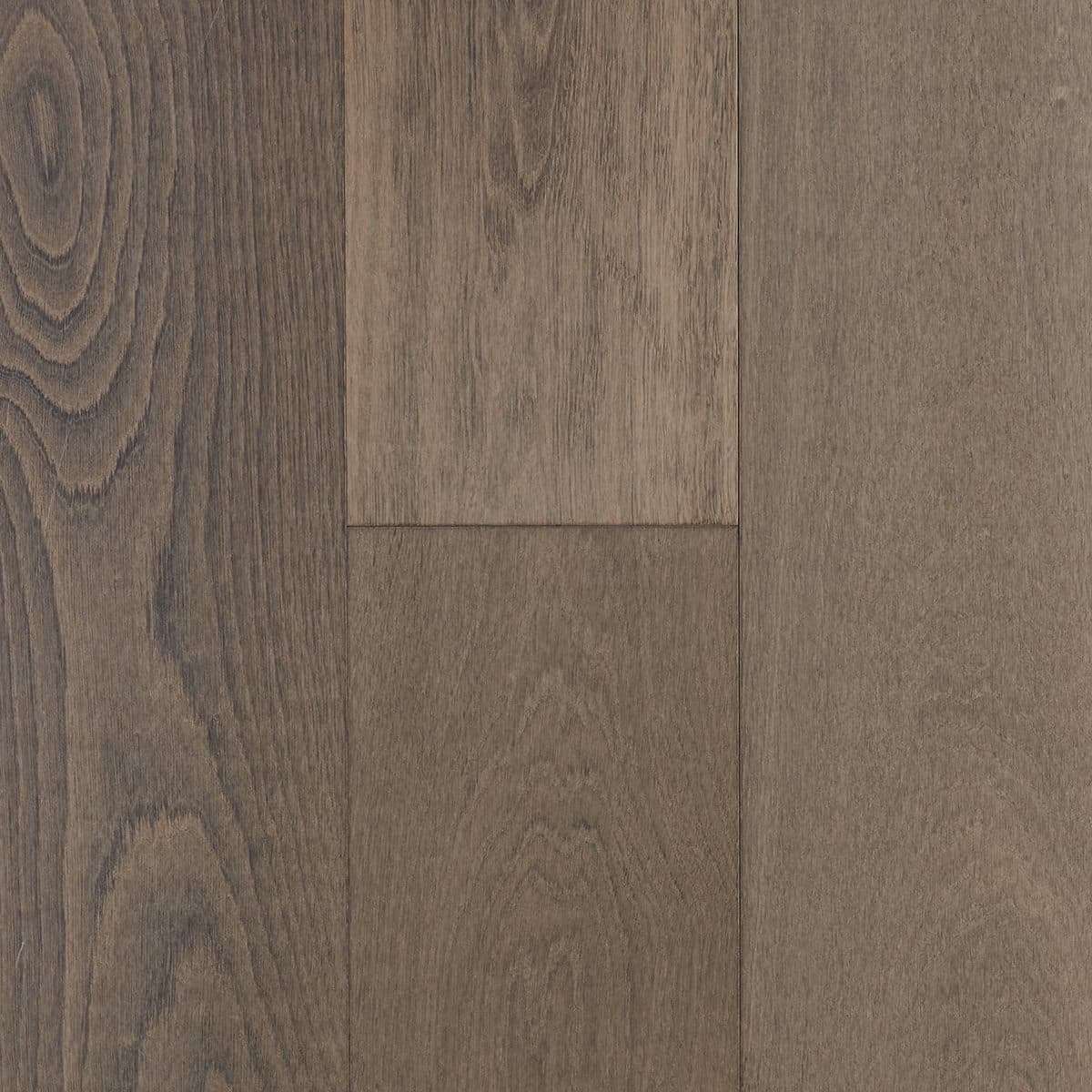
A practical, water-resistant timber-look option for kitchens, living areas and compact open-plan spaces.
Engineered timber
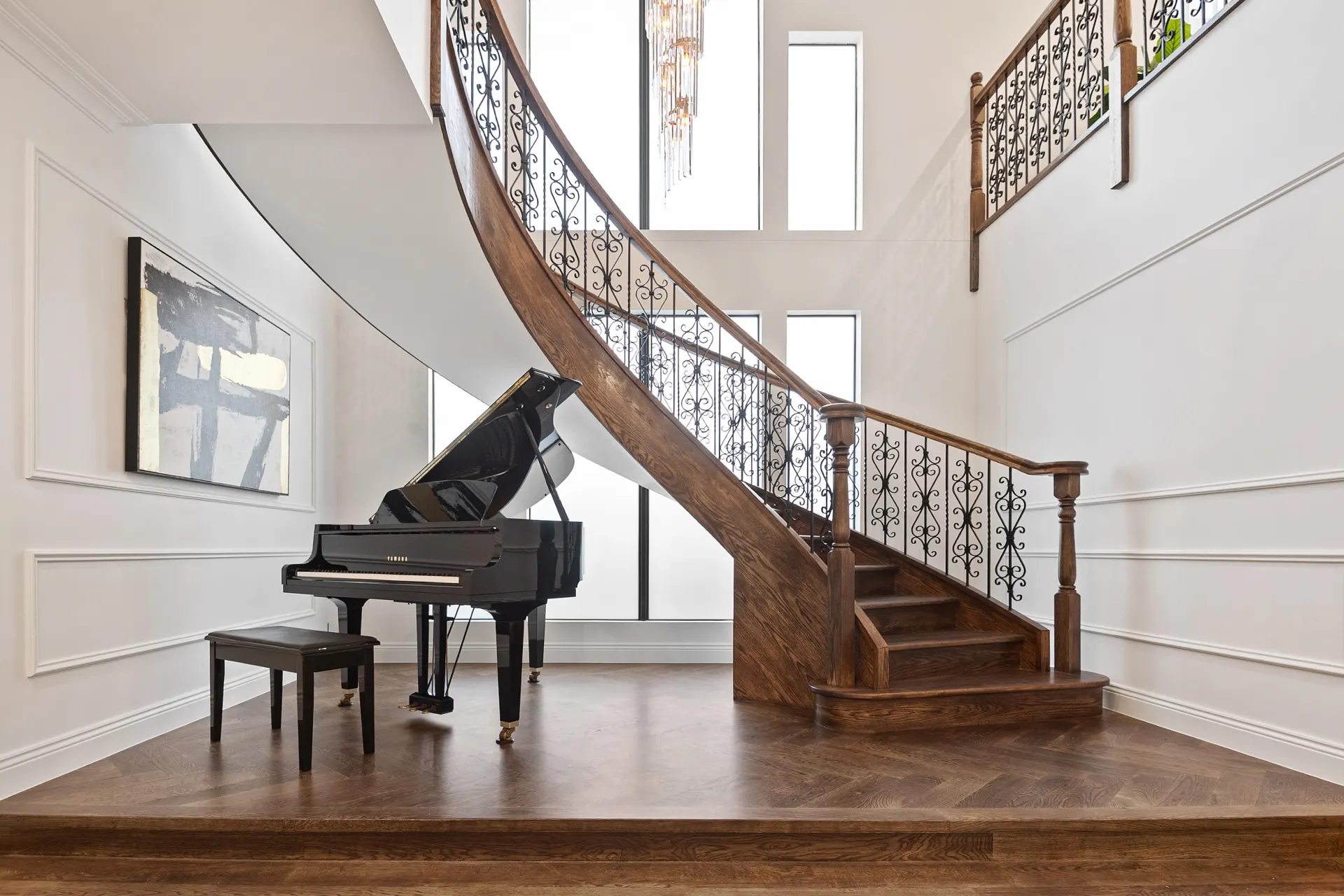
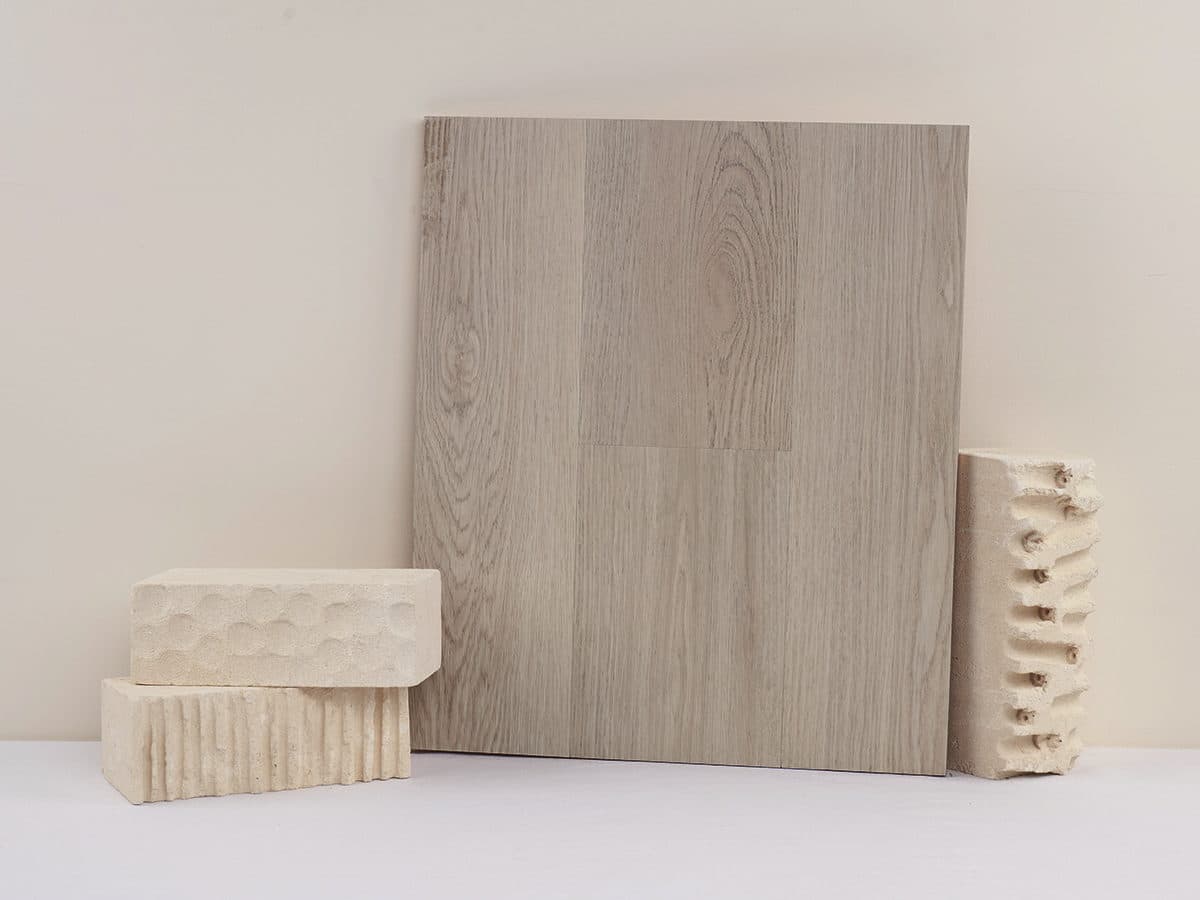
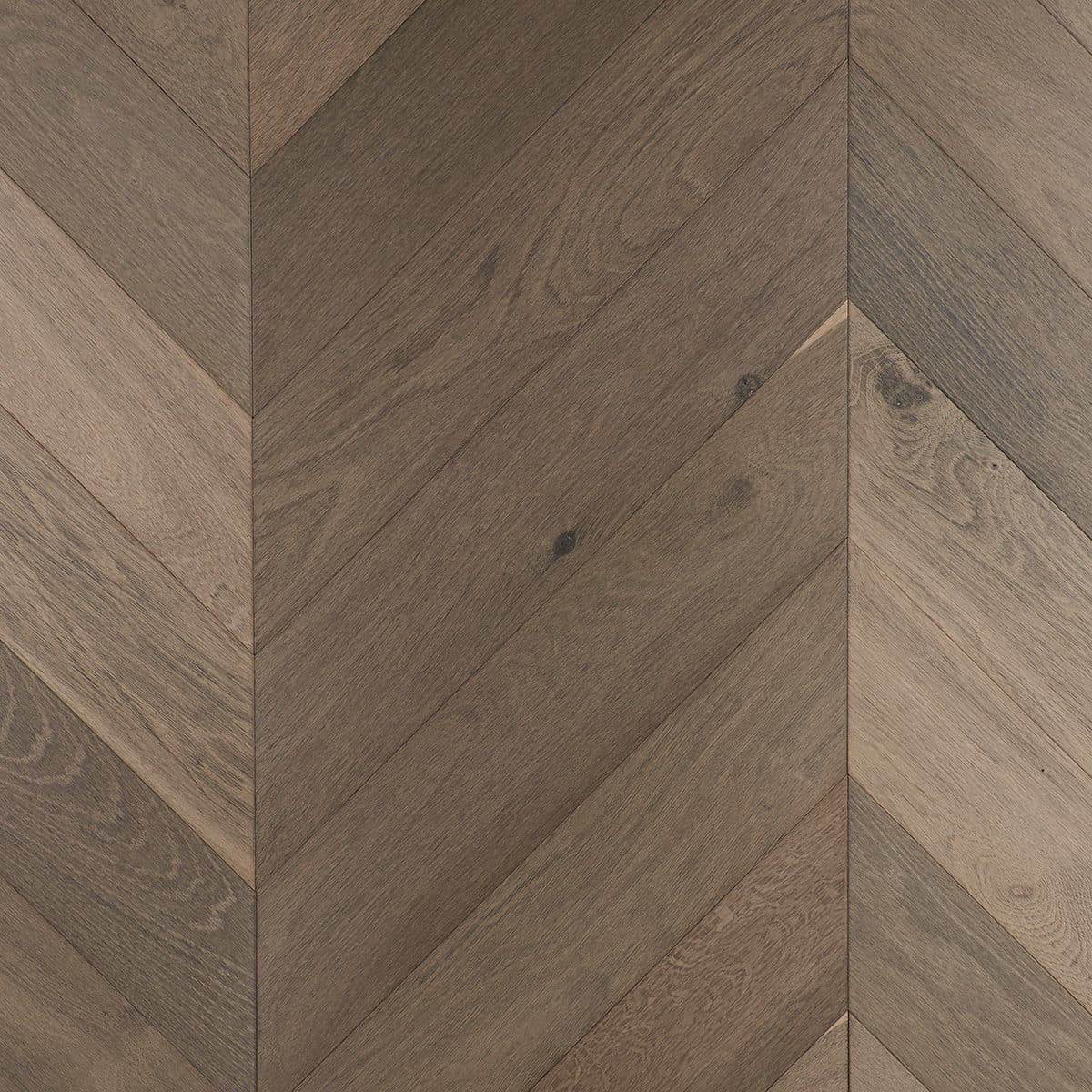
A premium choice for apartments where natural warmth and finish quality matter most.
Broadloom carpet
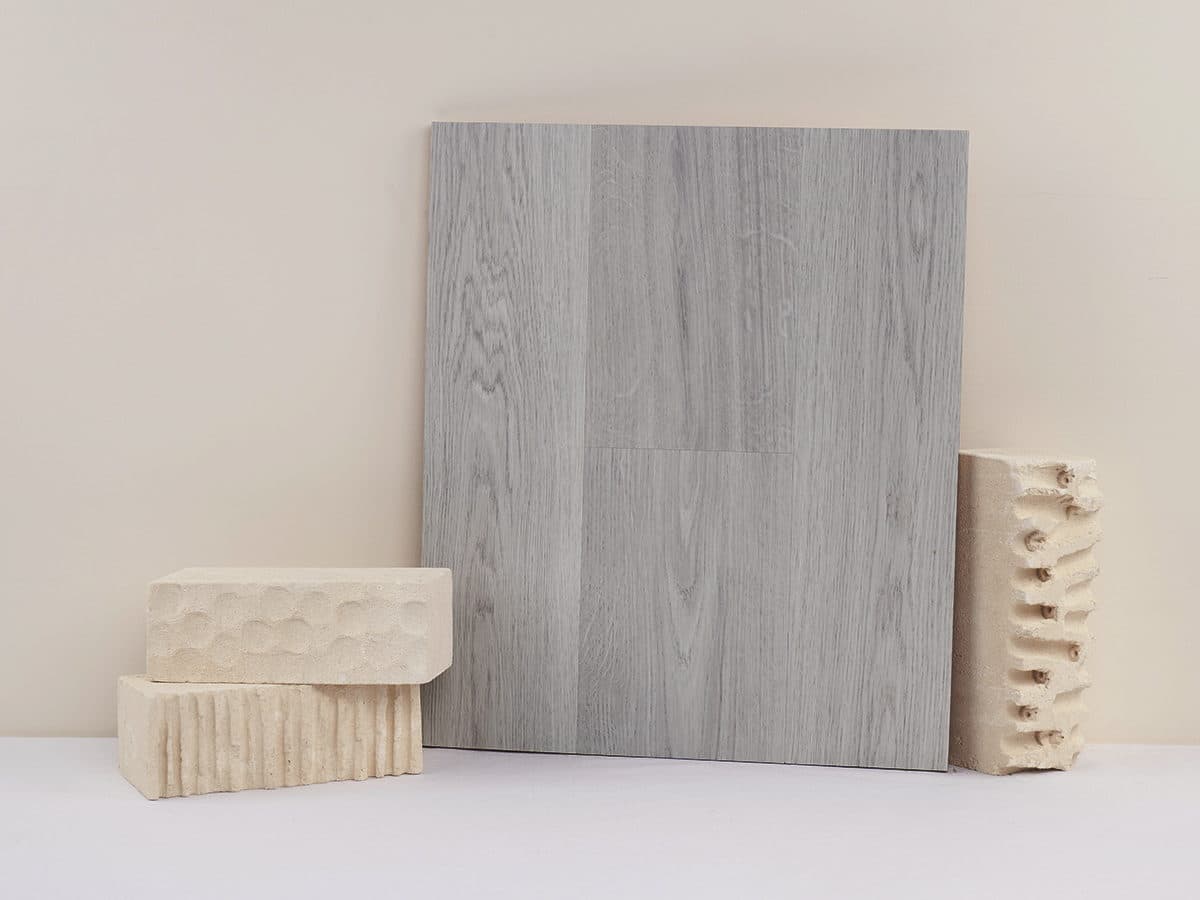
Soft, warm and quiet underfoot, ideal for bedrooms and acoustic comfort.
Full range
Browse every flooring product and finish we supply and install across Melbourne.
Hybrid flooring is usually the strongest all-rounder for apartments. It is water-resistant, dimensionally stable, available in convincing timber looks, and tough enough for daily traffic. Because it suits kitchens and living areas alike, you can run one consistent floor through an open-plan zone, which makes a smaller apartment feel larger and more cohesive.
Engineered timber is the premium step up for genuine timber warmth and grain. It can usually be installed over a compliant underlay in apartments, and typically suits owner-occupiers who plan to stay and want a higher-end finish.
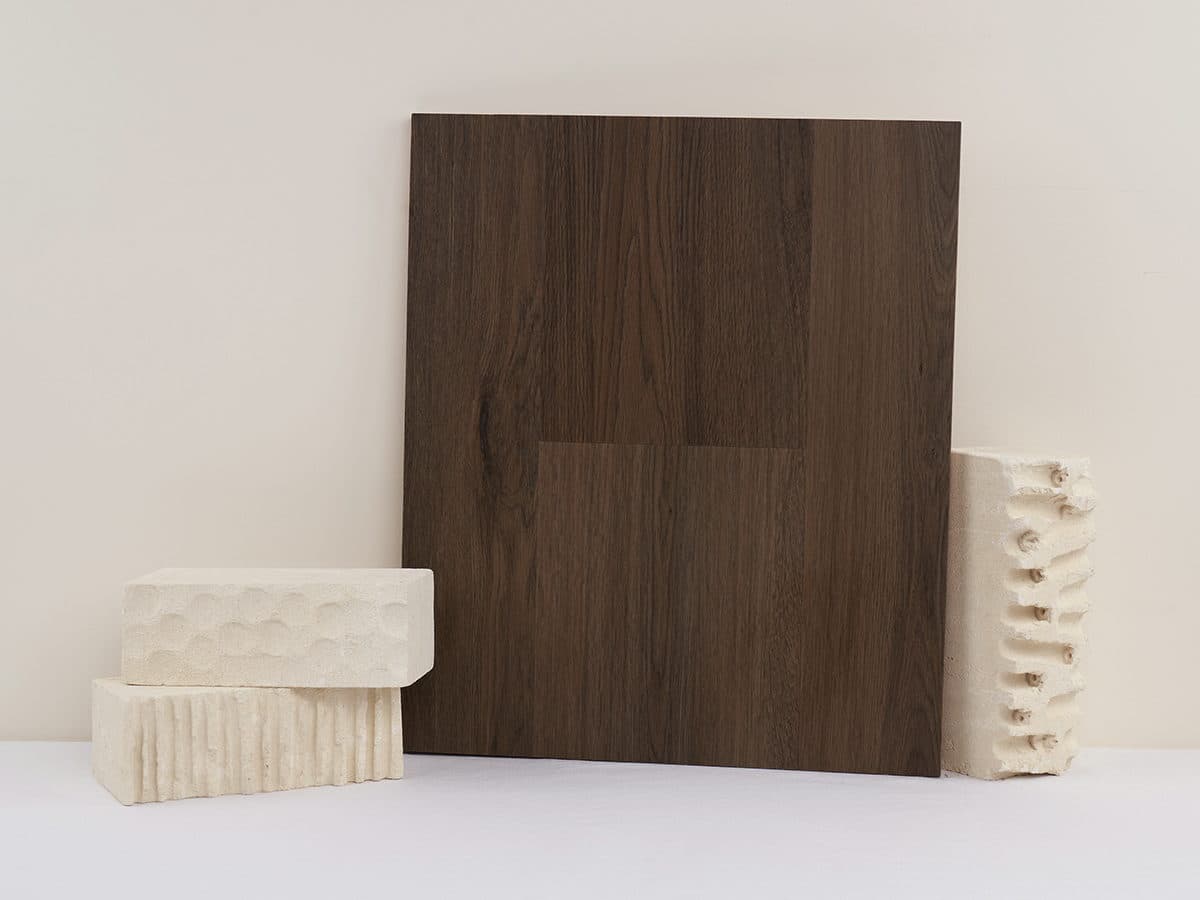
Carpet remains the best answer for bedrooms, adding warmth, quiet and acoustic comfort that matters in multi-level buildings. Vinyl plank is the practical, budget-friendly choice for rentals and quick refreshes, with easy-care durability and no large outlay.
Room by room within your apartment
Even a compact apartment benefits from thinking room by room rather than defaulting to one floor throughout.
- Living, dining and kitchen: a single water-resistant hard floor such as hybrid keeps an open-plan space seamless and easy to clean. Engineered boards also work here with the right underlay.
- Bedrooms: carpet adds warmth, softness and quiet, which is why many owners pair hard floors in living zones with carpet in the bedrooms.
- Entry and hallway: high-traffic, often wet-shoe areas that suit hard, durable surfaces coping with grit and moisture.
- Wet areas and laundries: usually tiled, but the transition to your main floor needs proper detailing so heights line up and water does not track onto timber-look boards.
If your kitchen is a focus, our best flooring for kitchens guide goes deeper on surfaces that handle spills and heavy use.

Installation, floor height and access
Apartments add logistical wrinkles that are easy to overlook. The most common is floor height. Underlay plus a new floor over an existing surface raises the level, which can affect door clearances, the sit of sliding doors, and the transition to tiled wet areas. A good measure-up checks these clearances so you do not end up with doors that catch or awkward steps between rooms.
Access matters too. Getting materials to an upper-level unit means coordinating lift bookings, protecting common areas, and sometimes working within building hours set by the owners corporation. All manageable, but worth raising up front.
Whether you own or rent also shapes the choice. Owner-occupiers can invest in engineered timber or premium hybrid knowing they will enjoy it for years. Landlords and tenants usually prefer durable, cost-effective vinyl plank or hybrid that looks sharp, cleans easily and stands up to changing occupants.
How to decide on the right floor
Start with your building's rules, since acoustic and approval requirements can rule options in or out. Then weigh how you live: traffic, pets, kids, and whether the space is your long-term home or an investment. Finally settle the look and let the room dictate the material, hard and water-resistant in living zones, soft and warm in bedrooms.
The most useful step is seeing samples in your own apartment. Colour and grain shift under different light, and apartment light is particular depending on aspect, balcony depth and window size. A board that looks perfect in a showroom can read quite differently against your walls.
This is what TMBR's mobile flooring showroom is built for. We bring the samples to your apartment so you can compare hybrid, engineered timber, carpet and vinyl in the actual space and light. While we are there we measure on site, check door clearances and height transitions, talk through acoustic underlay, and provide a clear quote. We supply and install across Melbourne, so once you have chosen, we handle the rest.
What is the best flooring for apartments?+
For most Melbourne apartments, hybrid flooring is the strongest all-rounder because it is water-resistant, durable and runs seamlessly through open-plan living and kitchen areas. Engineered timber suits those wanting a premium finish, while carpet is ideal in bedrooms and vinyl plank works well for rentals.
Do apartments need acoustic underlay?+
Many do. Owners corporations and body corporates often set minimum acoustic ratings for hard flooring to limit footstep noise to the unit below. Always check your building's rules in writing before selecting a product, as they affect both the underlay and the finished floor height.
Is hybrid flooring good for apartments?+
Yes. Hybrid flooring apartments commonly choose it because it is water-resistant, dimensionally stable, tough enough for daily traffic, and available in convincing timber looks. It suits kitchens and living areas alike, which helps a compact open-plan space feel cohesive.
Can I install timber flooring in my apartment?+
Often yes. Engineered timber can usually be laid over a compliant acoustic underlay in apartments, subject to your building's rules and approval process. Confirm requirements and check door clearances and height transitions before the install.
What flooring is best for rental apartments?+
Vinyl plank and hybrid are popular for rentals because they are durable, easy to clean and cost-effective. They look sharp, cope with changing occupants, and require little maintenance, making them practical for landlords and tenants alike.
What can we help you with?

From browsing here to your new floors
TMBR is a mobile flooring showroom. You choose from our range, we bring the samples to your home, then we supply and install.
- Step 1
Browse the range
Shortlist timber, hybrid, parquetry or carpet from our range.
- Step 2
Book a free visit
Pick a time that suits, including evenings and weekends.
- Step 3
We come to you
We bring the curated samples to your home.
- Step 4
Measure & quote
We compare options in your light, measure and quote on site.
- Step 5
Supply & install
Our local, fully insured team supplies and fits your floors.
Ready to sort your new floor?
Call for a quick chat, or send a few details for a free measure and quote. We'll bring the samples, measuring and quoting to your door, right across Melbourne.
Call 0449 156 789 · Evenings and weekends available, right across Melbourne.
Pick a time that suits you
Prefer to lock it in yourself? Choose a slot for a free, no-obligation chat about your flooring project, and we’ll bring the mobile showroom to you.